


Apple is preparing to take a decisive step toward complete hardware independence for its mobile devices. The most recent rumors indicate that the entire iPhone 18 range, including models in the Pro line and the anticipated foldable device (iPhone Fold or iPhone Ultra), will incorporate exclusively internally designed network components.
This move will mark the end of the historic collaboration with Qualcomm for supplying such chips. The switch to proprietary technology will not only optimize the overall efficiency of smartphones but will introduce notable improvements in browsing speed and, a less well-known but equally important factor, will guarantee a significantly higher privacy protection.
Apple C2 will be on all new iPhones, no Qualcomm modem

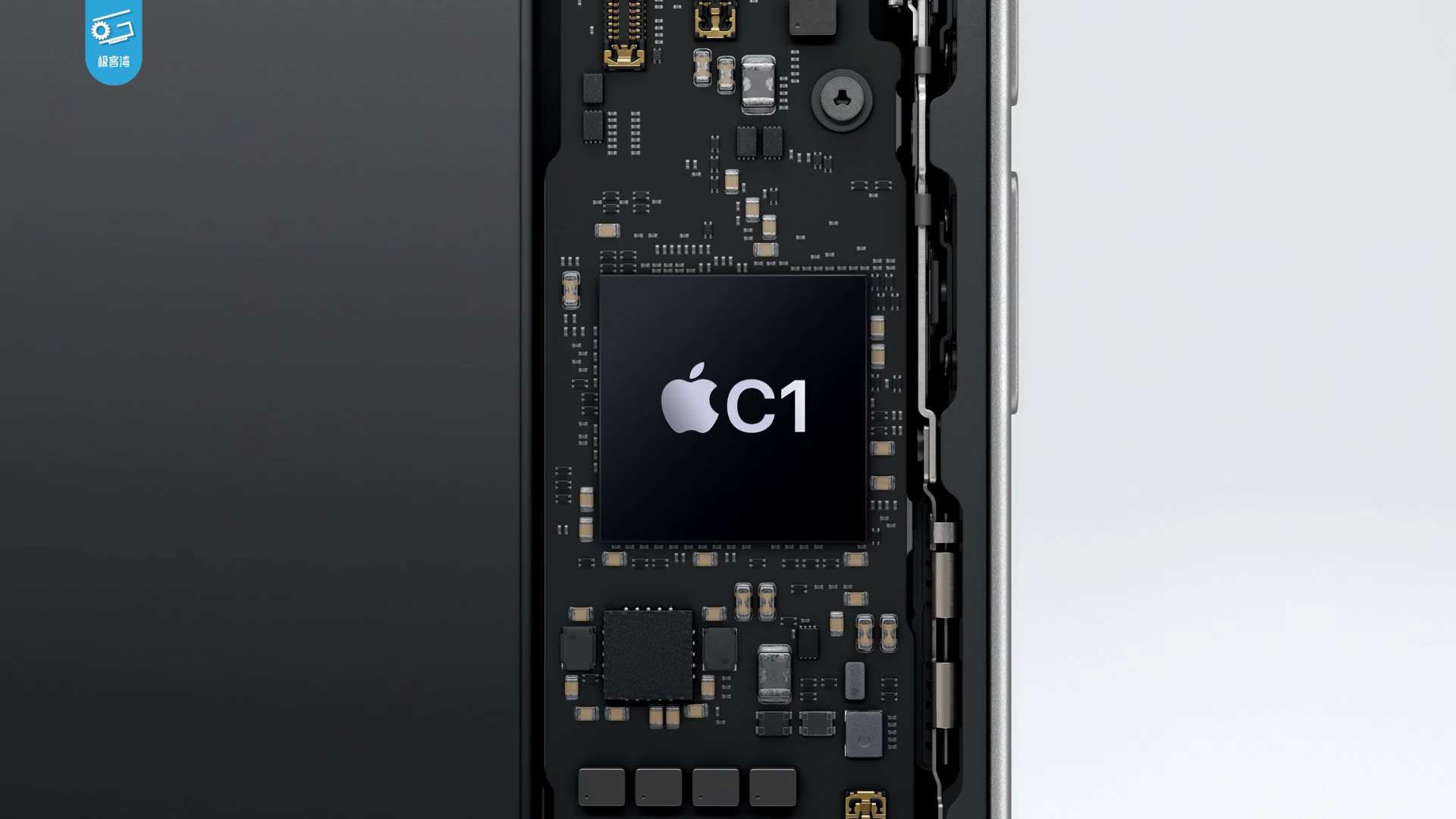
At the heart of this transition is the future modem the Cupertino company is working on, currently identified as Apple C2. Unlike previous hardware iterations, such as the C1 and C1X models that power devices like iPhone Air, iPhone 16e, iPhone 17e, and iPad Pro with M5 chips, the new network hardware will offer significantly higher processing power and connectivity.
The expected performance will be able to match those offered by the latest Qualcomm-branded solutions, ensuring flawless usability. The most notable detail is the anticipated support for 5G networks with mmWave, a very high-frequency feature that guarantees extreme data transfer speeds and is completely absent in the current C1 and C1X versions.
More privacy for connectivity
The universal adoption of proprietary modems will unlock a particularly interesting security feature, quietly introduced by developers with the operating system update to iOS 26.3.
This is a setting designed to limit the device’s precise location, developed specifically to reduce the amount of geographic data shared with mobile networks.
In normal operation, mobile operators determine users’ location by leveraging information from the cellular towers to which the smartphone connects, sometimes able to isolate the exact address of a person. Activating this new option, the level of detail provided to the carrier is drastically filtered, limiting information to only the neighborhood in which you are located.
Currently, smartphones equipped with Qualcomm chips, such as the iPhone 17 Pro family models, cannot access that level of protection.
It is important to emphasise that applying this filter does not interfere in any way with signal quality or with the browsing experience. Additionally, the location limitation does not apply in case of emergency calls, ensuring rescuers always have the exact coordinates.
The system operates independently of the classic location services used by third-party applications, focusing only on the data flow directed to mobile carriers.