


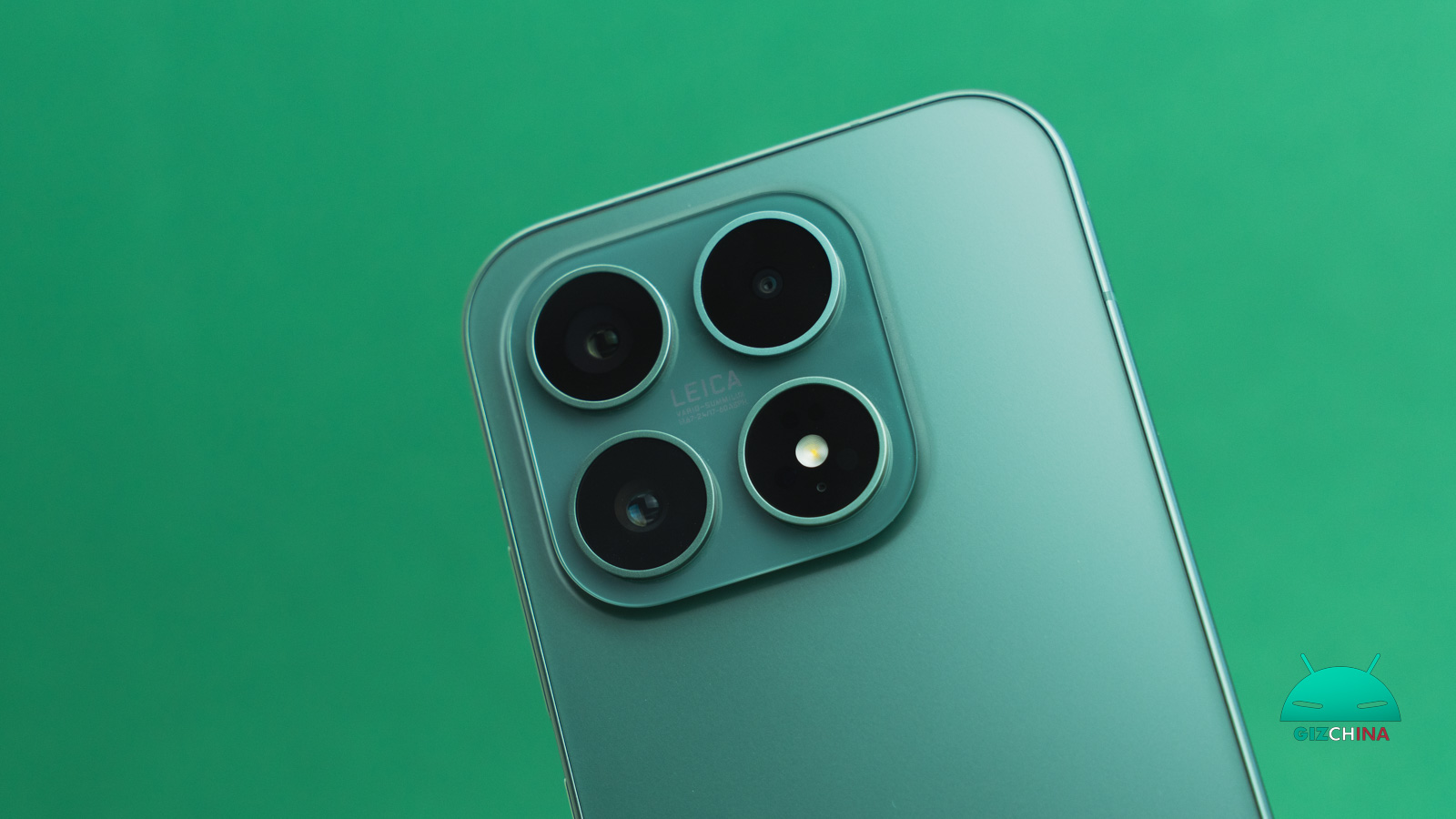
For its flagship lineup, Xiaomi has now sidelined Sony: the proprietary Light Hunter sensors are developed in collaboration with OmniVision and are used by devices from the parent company as well as Redmi- and POCO-branded models. Clearly we are not talking about a complete departure but about a significant scaling back, especially when looking at the high-end series.
Xiaomi 15 Ultra debuted with the Sony LYT-900 1″ sensor but with the subsequent Xiaomi 17 Ultra the company has moved to the Light Hunter 1050L (also 1″), based on OmniVision’s OV50X. With the next generation things will become even more interesting, with the entry of SmartSens and a 200 MP sensor for Xiaomi 18 Pro.
Xiaomi 18 Pro will not rely on either OmniVision or Sony: the SmartSens hypothesis returns for the new flagship lineup

This isn’t the first time there has been chatter about a Xiaomi and SmartSens partnership: previously there were rumors of a switch to the new sensors, for the alleged 16 series. We know well how that ended, since with the latest flagship generation the company moved directly to Xiaomi 17 (standard, Pro and Pro Max).
The trio is entirely based on the Light Fusion 950 sensor, again in collaboration with OmniVision. However, according to Digital Chat Station, things will change with the future flagship lineup. The insider claims that Xiaomi 18 Pro will have two 200 MP cameras with 1/1.28″ sensors, both branded SmartSens.
It would be the main sensor and the periscope telephoto, accompanied by a 50 MP ultra-wide. In addition there would also be the technology LOFIC HDR 3.0 (Lateral Overflow Integration Capacitor) for the dynamic range and light management, an improved solution compared to what was seen on Xiaomi 17 Ultra.
Meanwhile the hypothesis of a modular camera phone, or rather an entire family of flagships with magnetic lenses, is gaining traction.
While we wait to learn more, here is an overview of the specs based on leaks so far: the Xiaomi 18 series launch is still far off as they are eyeing September for the home market. On a global level, we should expect delays until early 2027, likely in tandem with the next Barcelona MWC.
Presumed technical specifications
- Dimensions and weight: /
- Colors: /
- Certification: IP68
- Display: Flat AMOLED 6.3″ 1.5K (2656 x 1220 px), LIPO, LTPO refresh rate 120 Hz, touch sampling 300 Hz, 12-bit color, DC Dimming 2,160 Hz and peak brightness up to 3,500 nits, Xiaomi Shield Glass
- Rear display: Flat AMOLED 2.7″ HD (904 x 572 px), LTPO 120 Hz refresh, 120 Hz touch, DC Dimming and 3,500 nits
- Security: under-display fingerprint reader (ultrasound)
- Liquid cooling with vapor chamber
- SoC: Qualcomm Snapdragon 8 Elite Gen 6 Pro, 2 nm TSMC
- CPU: Octa-core
- 2 x 5.0/6.0 GHz – Oryon
- 3 x ? GHz – Oryon
- 3 x ? GHz – Oryon
- GPU: Adreno 850
- RAM: 12/16 GB LPDDR6
- Storage: 256/512 GB/1 TB UFS 5.0 non-expandable
- Battery: 7,000 mAh, silicon-carbon
- Charging: 100W, 50W wireless, 22.5W reverse wired/wireless
- Camera: triple 200 + 50 + 200 MP (f/?) with OIS, ultra-wide and periscope/macro telephoto with OIS | Leica optics
- Front camera: 100 MP (f/?)
- Connectivity and others: Dual SIM 5G, Wi-Fi 7, Bluetooth 5.4, NFC, Dual GPS, stereo speakers, USB-C 3.2 Gen 1, UWB
- Operating system: Android 17 with HyperOS 4