


The period we are living through is particularly critical for the tech sector, even though, for the most part, the majority of consumer users has not yet felt the hard hit.
However, things are destined to get worse: with the rise in semiconductor prices (driven by the growing demand for AI), the cost for smartphone manufacturers is set to rise further, with consequences also for the end user. In this climate of tension, Samsung is said to have considered a new strategy against the price hikes, with an eye toward Chinese component suppliers.
The new Samsung strategy against price increases? Chinese components for its smartphones
The Asian manufacturer is known for predominantly using proprietary components, but this time the domestic manufacturers would be left empty-handed. According to a report published by the Korean outlet DealSite, Samsung’s new strategy would center on Chinese components — at least for mid-range and mid-low devices.
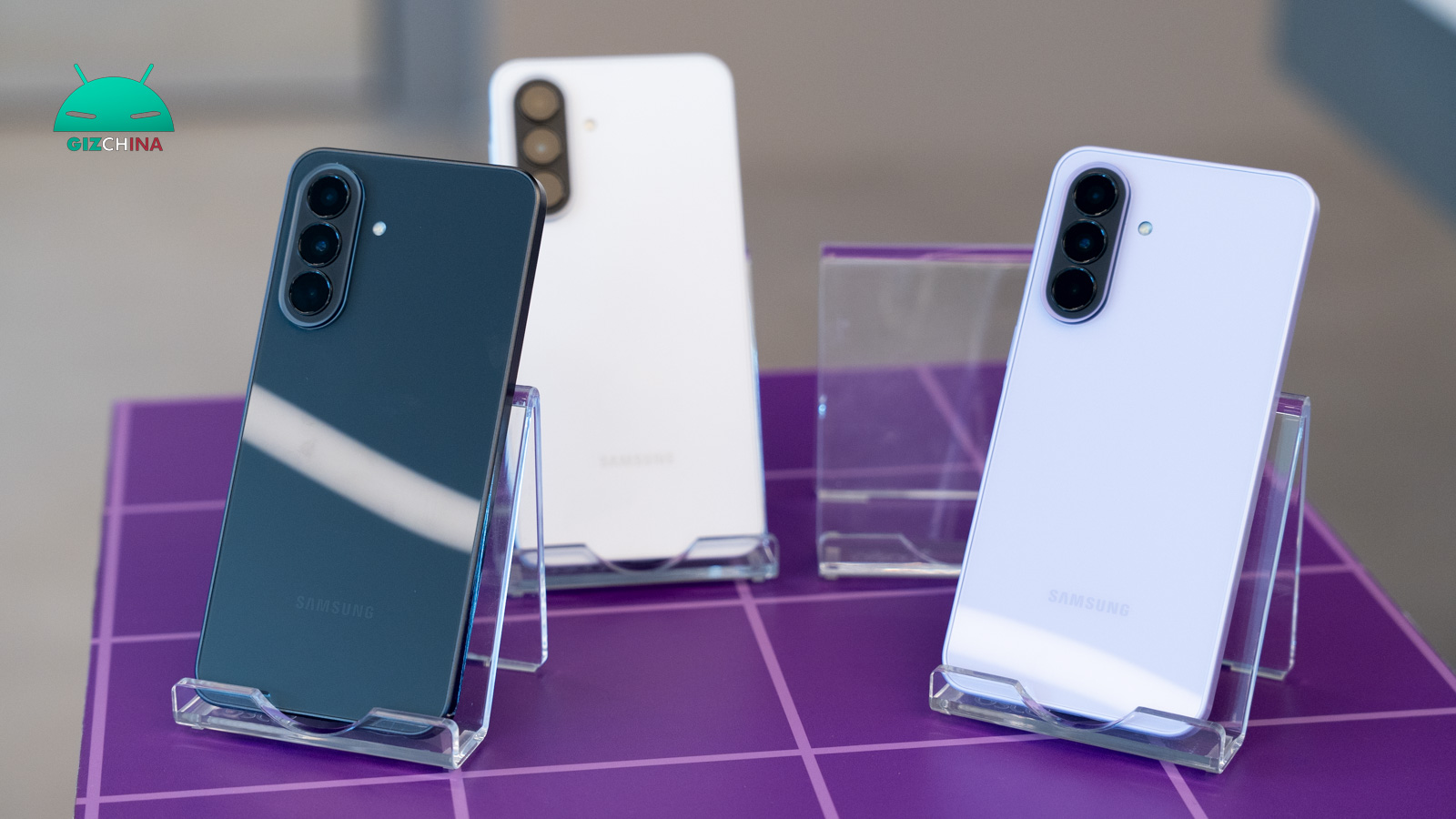
According to reports, the company would have started using OLED panels from the Chinese manufacturer TCL CSOT — at least for the mid-range. At the moment, only the Galaxy A57 is mentioned, but it remains a watershed move since the smartphone division is usually accustomed to using Samsung Display-branded panels (famous for their quality).
The switch to Chinese suppliers would not concern only the screens: in extreme cases, extreme remedies and the increase in memory chip costs is certainly a severe blow for companies. Samsung would also have replaced KH Vatec, a South Korean hinge supplier for Galaxy Z family devices, with the Chinese company Huanli — for the hinges of Galaxy Z Flip 7.
The strategy would also hit the cameras, with Sunny Optical lenses (Chinese brand) for ultra-wide sensors on some devices in the Galaxy S series. With the rise in semiconductor prices, the only option to reduce costs is to rely on components produced by Chinese companies: clearly the ultimate goal is not to negatively impact the final price, the one that will then be borne by the user.