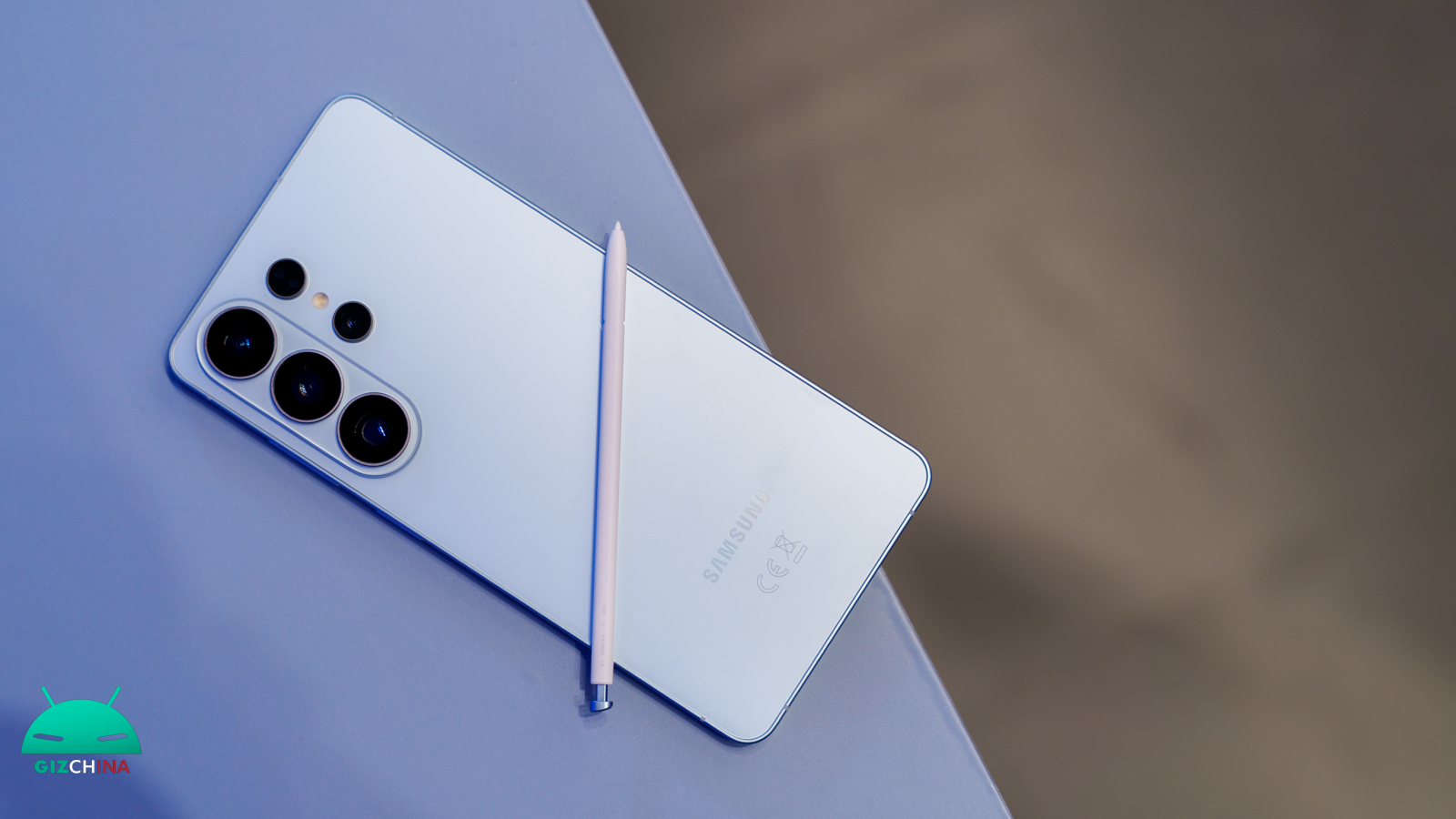
The smartphone market is undergoing a period of profound transformation, marked by rising memory costs. In this not-at-all exciting scenario, Samsung has consolidated its position as the leader in the premium segment, driven by the global success of the new Galaxy S26 Ultra.
Recent data show that the new flagship has captured user enthusiasm, accounting for alone the 70% of global pre-orders of the entire S26 series. In Europe, the trend is even more pronounced, with pre-order share up 10% from the previous year and an overall annual sales increase of 20%.
Samsung Galaxy S26 Ultra: why the European premium market rewards vertical integration

The success of Galaxy S26 Ultra rests on extremely solid technical foundations, starting with the introduction of the world’s first integrated Privacy Display for smartphones, which directly addresses users’ privacy needs.
Alongside this innovation, the Samsung Galaxy camera system and the new experiences based on intuitive artificial intelligence have allowed the device to stand out in a highly competitive market.
However, beyond the technical specifications, Samsung’s true strength lies in its vertical integration model. Unlike most competitors that rely on external suppliers for critical components, Samsung internally manages the production of key elements such as RAM memory chips, storage modules and displays through its Device Solutions Division.
Its internal production capacity is turning out to be a decisive competitive advantage in 2026, a year in which the global market is facing a significant memory shortage that is driving up costs of production. While the average selling prices of smartphones have risen by 6.9% year over year due to these fluctuations, vertical integration allows Samsung to manage its supply chain with greater agility and efficiency.
By controlling every phase, from semiconductor fabrication to final assembly, the company manages to mitigate the impact of price increases and ensure a steady supply of high-quality components, a factor analysts identify as the key to its growth in the premium segment.
Additionally, Samsung benefits from significant economies of scale derived from its position as one of the world’s largest semiconductor manufacturers. Substantial investments in research and development go beyond the design of the finished product, aiming at the continuous improvement of the design of individual components.
This approach helps reduce operating costs and increase overall efficiency, ensuring that devices stay at the cutting edge without the slowdowns typical of those who have to negotiate with third-party suppliers.