


By the end of March, early rumors about a new screen-free Fitbit device began circulating, sparking considerable interest.
According to sources close to the project, the product that will mark this awaited return to the origins for fitness trackers will be marketed under the name of Google Fitbit Air.
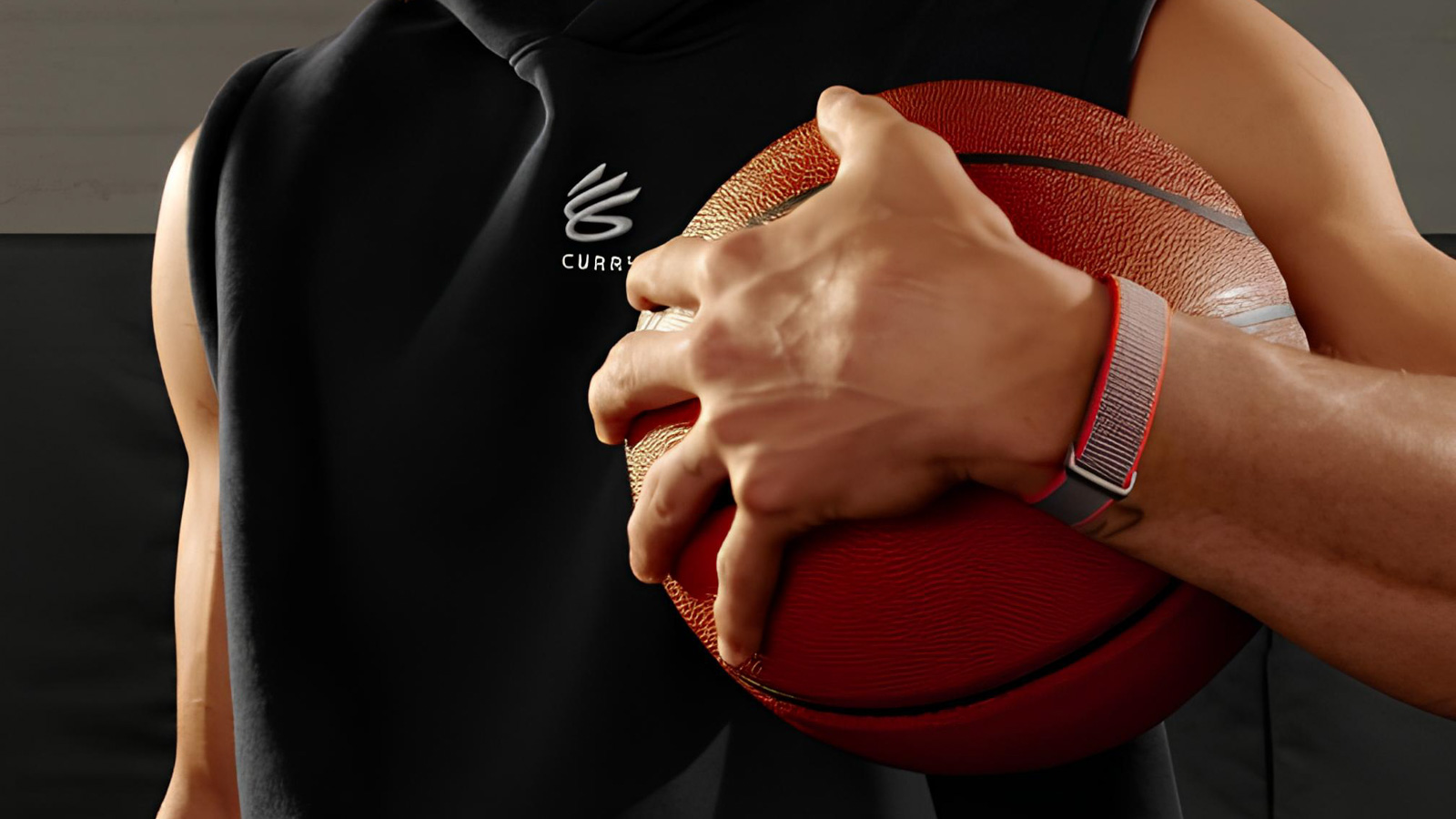
The device has already made its first public appearance, albeit unofficial, on the wrist of basketball star Stephen Curry, serving as a teaser for what is anticipated to be an imminent market launch.
The decision to eliminate the display represents a clear shift away from recent trends, focusing on maximum discretion and the simplicity of form.
Google prepares Fitbit Air and a name change for the subscription

The use of the term “Air” does not represent an absolute novelty for the historic Fitbit brand now controlled by Mountain View. Already in 2019, in fact, this exact label was used for the launch of the smart scale Aria Air, a device still available for purchase.
In this new context related to wrist-worn devices, the name clearly suggests the intention to offer a product with an extremely slim and lightweight profile. The absence of a display allows drastically reducing the hardware thickness, ensuring prolonged comfort for the user.
The aim is to provide an ideal strap to wear continuously for all 24 hours of the day, capable of monitoring daytime activity and sleep stages without causing the slightest discomfort.
The transition to proprietary software services
From the hardware perspective, the Fitbit name will retain a presence on the physical device, while the services and software division is preparing for a transformation. Available information indicates that the subscription known to date as Fitbit Premium, essential for unlocking advanced analytical features, will undergo a rebranding by adopting the name Google Health.
This move will logically extend to AI-powered tools in development. The personal health coach, currently in public preview and so far broadly presented simply as “Coach“, will officially debut as Google Health Coach.
The company has maintained an extremely cautious stance during testing, avoiding tying the tool prematurely to a specific name to pave the way for this transition.
This decision underscores a clear intent to tie health and wellness services more directly to Google’s main brand, gradually moving them away from the exclusivity of the Fitbit name.
In the past, the term Google Health identified the company’s medical and health divisions, a branch that has today been formally renamed Google for Health.
This strategy fully explains why the latest promotional video shared by Stephen Curry ended up showing only the G-shaped logo with color gradients, completely omitting references to Fitbit. The official announcement of the new hardware and the updated subscription plan is expected in the coming weeks.