


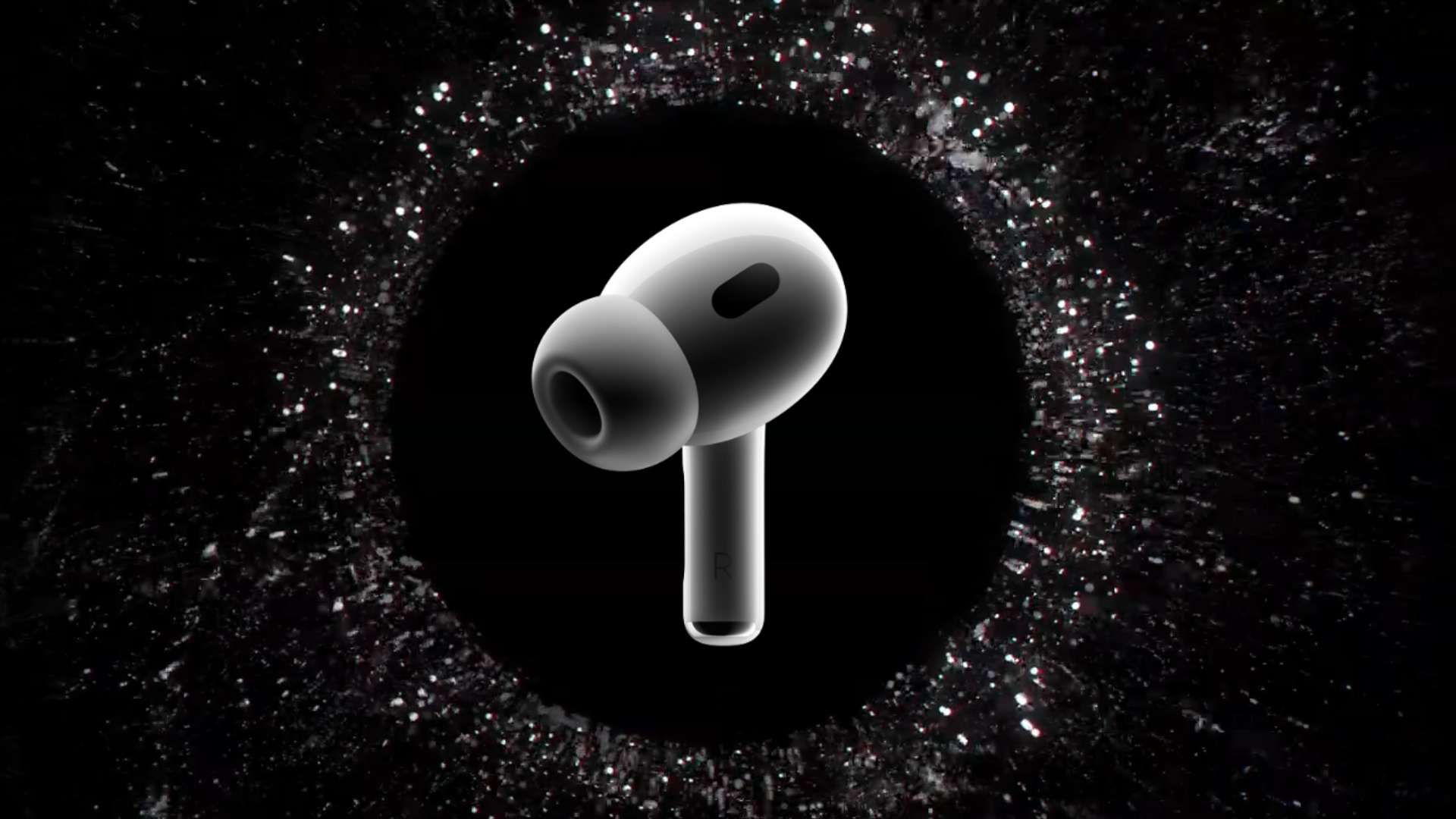
The exclusivity of the Apple ecosystem has historically posed a significant barrier for those who wanted devices from different brands to communicate easily.
However, the defenses of this closed environment are starting to show meaningful cracks. On the one hand, the recent European regulatory measures are pushing open certain sharing standards on Apple devices, while independent developers are challenging the rigid restrictions imposed on hardware.
AirPods are the perfect example: although they rely on the widespread and open Bluetooth protocol, their more advanced and useful features have always remained exclusive to users tied to iOS or macOS.
Today, thanks to the efforts of the programming community, the situation has radically changed.
LibrePods updates — No longer requires root permissions
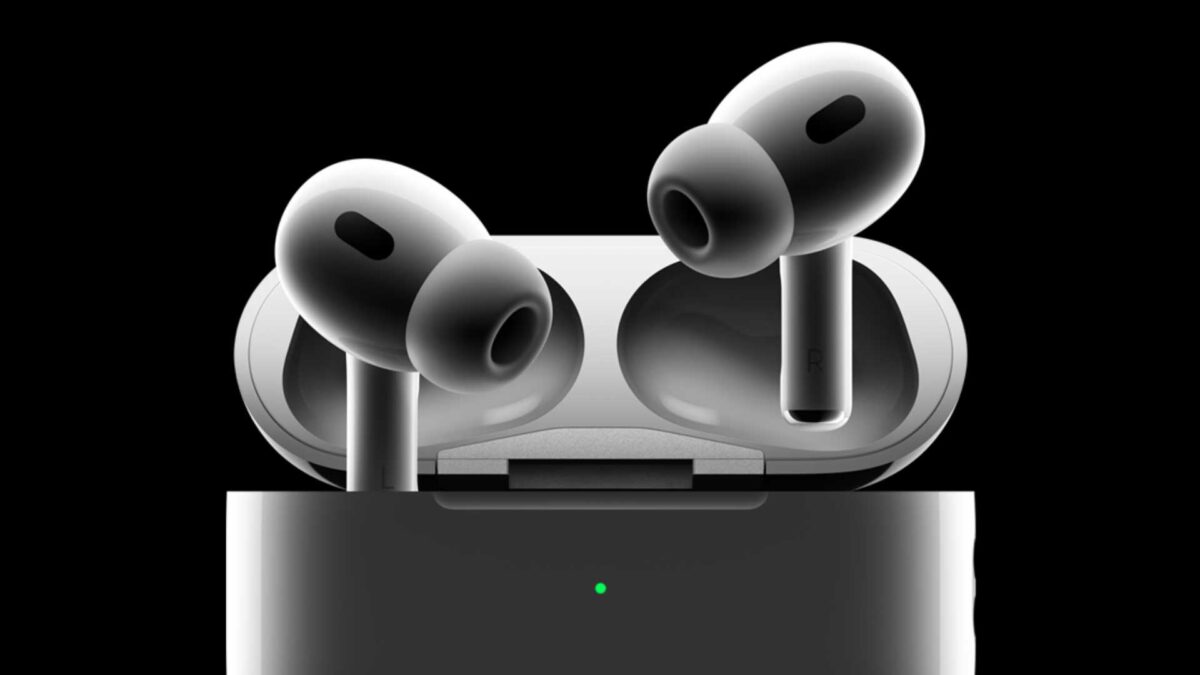
Credit for this important transition goes to the developer Kavish Devar, creator of an application named LibrePods.
The software, designed specifically to allow Android users to fully leverage the potential of Apple’s AirPods, has circulated since last year. Initially, adopting this application was hampered by rather discouraging technical obstacles for the average user.
The installation required the manual download of the package via the platform GitHub, raising inevitable concerns about the security and provenance of the software. Additionally, the proper functioning of the program required obtaining root permissions on the device, a complex procedure that automatically deterred a large portion of the audience.
The real turning point came recently, when Google fixed a long-standing bug in the code of its OS, effectively eliminating the stringent need to resort to root permissions to use LibrePods. This specific corrective patch has been integrated starting from the update Android 16 QPR3.
Consequently, Pixel owners equipped with this release, or with later versions such as Android 17 Beta, can already fully benefit from the novelty. Parallelly, OPPO has also implemented the same fix within its systems, making LibrePods fully functional and accessible without root on its devices and on OnePlus-branded devices updated to the latest version ColorOS 16.
For those using smartphones and tablets from other manufacturers, the wait will unfortunately be slightly longer, extending presumably until the widespread adoption of Android 17. The owners of devices Samsung, to cite the most obvious case, will have to wait until the release of the proprietary interface One UI 9.
Accessibility and security guaranteed
In addition to having welcomed the resolution of compatibility issues at the OS level, the developer has worked hard to make access to the creation extremely immediate. LibrePods has indeed moved from its niche distribution landing officially on the Google Play Store.
This transition offers unprecedented installation convenience and also ensures a greater degree of peace of mind for users, guaranteed by Google’s Play Protect anti-malware checks.
With a few simple taps on the screen, users can now unlock essential features that were previously completely off-limits to non-Apple customers, accurately monitoring the remaining battery percentage, freely adjusting the active noise cancellation modes, and enabling the convenient automatic ear-position detection.