


According to some recent financial rumors, Amazon is in negotiations to acquire Globalstar.
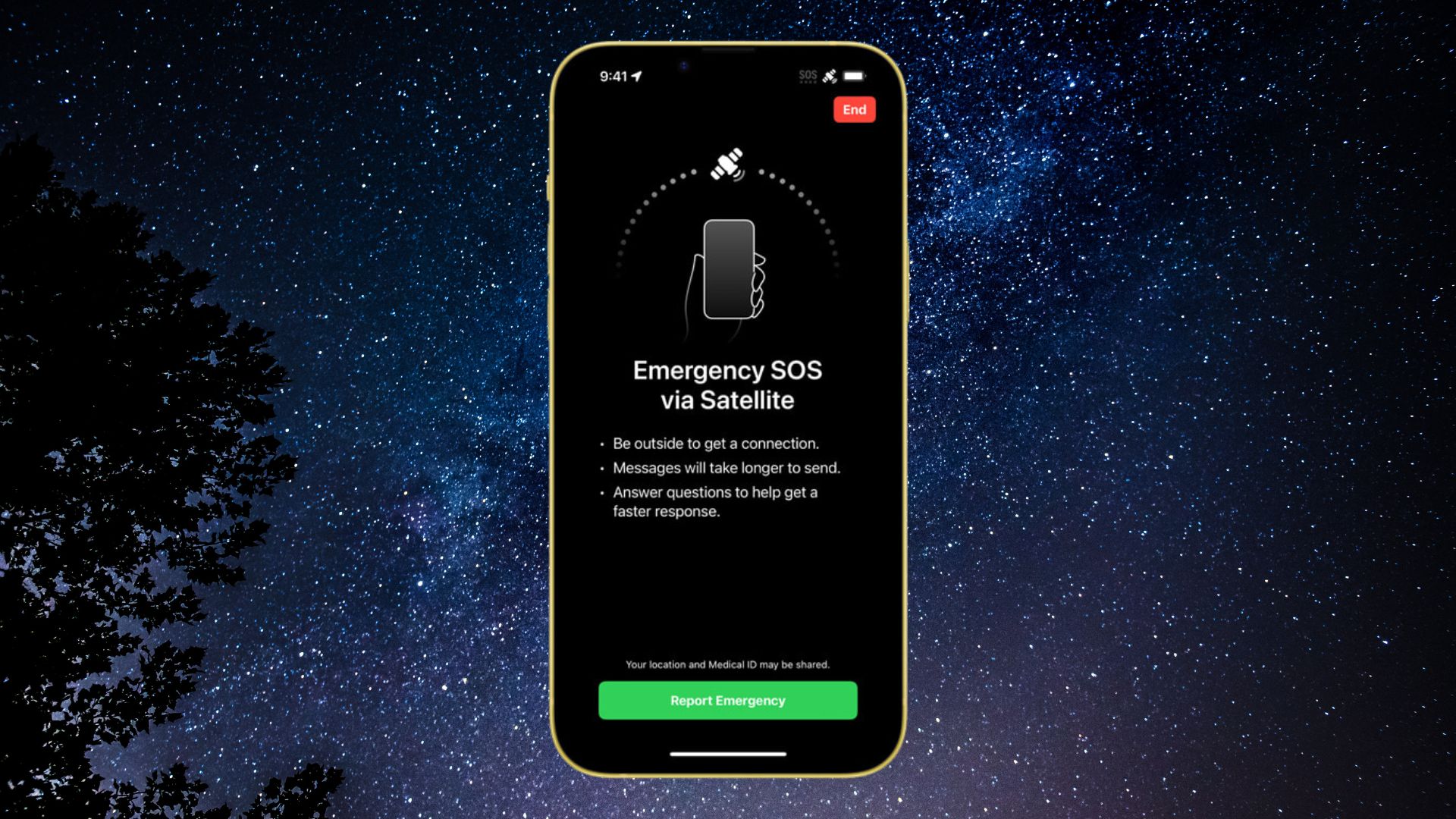
This company operates a satellite infrastructure of critical importance, being the network on which the entire satellite emergency service introduced by Apple starting with the iPhone 14 line and recently extended to other high-end devices, including the Watch Ultra 3.
The 20% stake in Globalstar is held by the Cupertino company, a stake purchased during 2024.
This stake puts the Cupertino company physically at the negotiating table in the ongoing talks, making it an essential interlocutor for closing any potential deal with Jeff Bezos’ multinational.
Amazon seeks to acquire Globalstar, Apple at the negotiating table

At first glance, it might seem somewhat unusual that Apple hasn’t decided to take full control of the space company’s operations, considering how the emergency communication technology has become a formidable marketing tool for its newer devices.
However, taking full control of such a company would mean taking on enormous operational responsibilities, the complex management of highly specialized personnel, and the entire maintenance of an orbiting telecommunications network.
This is a business that greatly diverges from the brand’s main activities. Such a decision faithfully reflects Apple’s well-known reluctance to become a direct provider of mobile telephony services, preferring to rely on networks of global operators.
Past investments and the future of the rescue service
Besides the equity stake, Apple has already poured significant funds into the coffers of the satellite company, with an investment exceeding 1.1 billion dollars for the improvement of the basic infrastructure.
Any sale agreement to Amazon would necessarily take these pre-existing financial commitments into account and honor existing contracts.
One of the most evident outcomes of this substantial financial effort is the current free nature of the rescue function. Since its debut, the lifesaving option has been offered at no additional cost to new buyers.
As of today, the conditions indicate that the service remains free for two years from activation of the smartphone or smartwatch. However, details are lacking on what will happen at the end of this period, since some models have been on the market for more than 24 months, what tariffs may be applied, and whether requesting assistance while in remote areas will require a specific fee.
A new collaboration on the horizon?
Despite the idea that Amazon could come to control an infrastructure so critical for Apple users, the reality suggests that the two companies have a long history of cooperation.
Apple, for example, already relies on Amazon’s servers on a very large scale for storing its data and maintaining cloud functions.
A transfer of ownership of Globalstar could lead to further injections of private capital into the space infrastructure, increasing the network’s reliability.
In the end, this elaborate financial maneuver could prove extremely advantageous for consumers: provided that Apple is guaranteed uninterrupted access to the satellite network, the security and connectivity experience offered to users could only improve.