


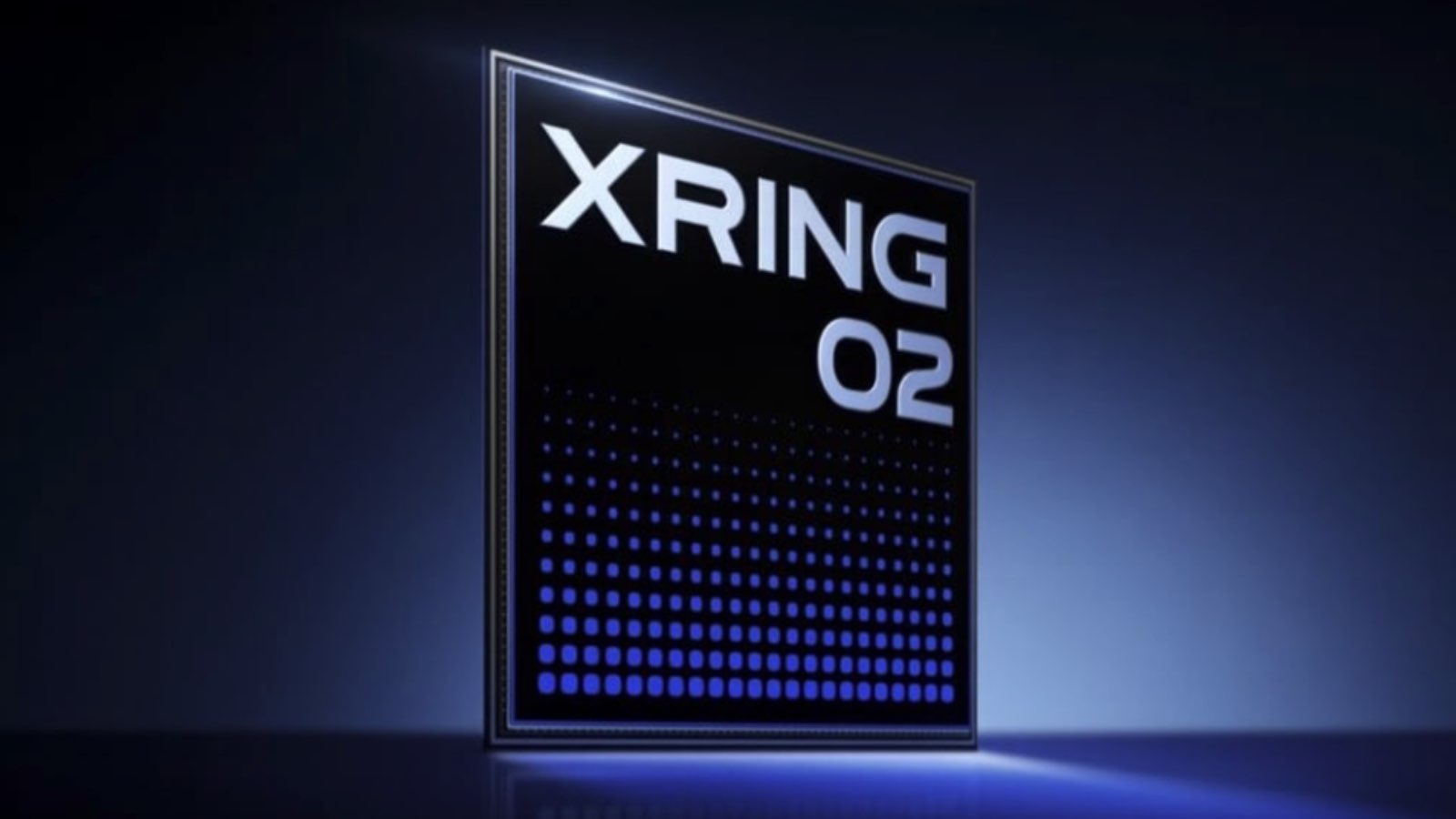
The strategy in the semiconductor sector of Xiaomi is undergoing a period of strong expansion and consolidation.
In a recent interview given to CNBC on the occasion of the Mobile World Congress 2026, the president Lu Weibing outlined a very precise path regarding the production of internally designed processors.
If until recently the company’s leadership preferred to maintain an extremely cautious approach, avoiding long-term commitments for the development of customized hardware, the current situation appears completely transformed. Lu Weibing stated with great confidence that users can expect annual updates for the XRing chip family.
This decision positions the company on a track similar to the one Google has pursued with the Tensor experience, aiming for a deep optimization between the physical components and the device operating systems to address market needs and memory management issues that affect other brands.
Xiaomi Xring will have an annual release cadence

The engineering effort required to maintain such a tight update pace is supported by substantial financial resources and a deep reorganization.
Only in 2025, the company invested capital of 30 billion yuan, an amount close to 3.7 billion euros, entirely dedicated to the evolution of its integrated circuits.
At the same time, a dedicated department was established for the management of chip platforms, whose leadership was entrusted to Qin Muyun, an executive with extensive experience who previously held the role of Senior Director of Product Marketing at Qualcomm.
This arrangement enabled the launch of the very first XRing O1 in May of last year. Manufactured in the foundries of TSMC using an advanced 3 nm process, the component features a ten-core architecture based on Arm v9.2, confirming the brand’s high performance ambitions relative to the competition.
Beyond national borders: smartphones and artificial intelligence
The most notable update for Western consumers concerns precisely the future geographic availability of these technologies.
The first generation of these processors remained confined to China, powering specific models such as the Xiaomi 15S Pro and the Pad 7 Ultra tablet, while the current global flagships, including the very latest Xiaomi 17 series, still rely exclusively on Snapdragon solutions.
This territorial isolation seems to have come to an end: the next-generation XRing model, planned for 2026, will debut first domestically before being integrated into devices destined for international launches.
The expansion of commercial horizons will also directly involve the software ecosystem and electric mobility. Xiao AI, the company’s virtual assistant, will also cross Chinese borders to land on smartphones and vehicles sold abroad.
In this delicate expansion operation, the intelligent features will be supported and powered by Google’s Gemini models, ensuring adequate performance and a perfect understanding of requests in all new reference markets.