


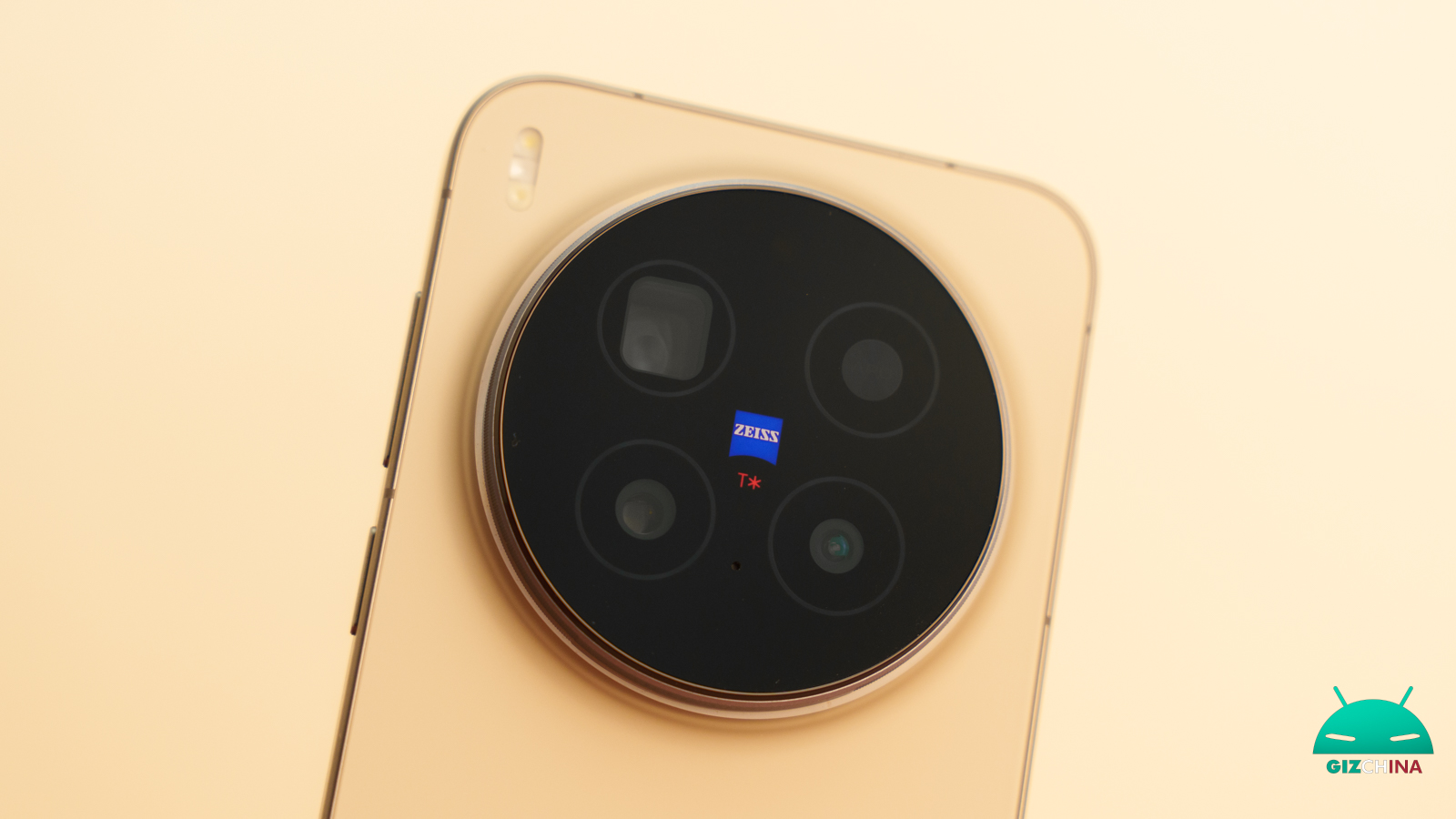
When discussing flagship smartphones, public attention inevitably tends to focus on photographic performance.
However, the Vivo X300 Ultra is poised to overturn this convention, offering substantial and unprecedented improvements in the audio department.
The latest previews provided by Han Boxiao, an executive of the company, via the platform Weibo, outline a device designed to offer a top-tier audio experience, making a clear impact on both the capture and playback of sound.
Vivo X300 Ultra, professional-grade recording and powerful speakers
 n
nThe new flagship smartphone will integrate a sophisticated system based on four microphones, supported by advanced artificial intelligence algorithms. This combination will allow for extremely precise spatial recording, capable of intelligently isolating the voices of the subjects in the frame and reducing intrusive background noise.
The interface dedicated to video recording will introduce control parameters usually reserved for professional equipment. Users will in fact have the possibility to direct sound capture directionally toward the front or rear of the smartphone and to manage the intensity of the noise reduction on a percentage scale.
A particularly interesting detail for creators will be the ability to adjust the gain from -100 to +100, offering unprecedented recording flexibility on a smartphone.
Un’architettura hardware brevettata e riprogettata
The upper loudspeaker of the Vivo X300 Ultra features significantly larger dimensions, reaching a resonance chamber of 0.8 cubic centimeters. This is a 167% increase in physical volume compared to previous iterations.
Generally, high-end smartphones stop at cavities between 0.3 and 0.5 cubic centimeters, a stringent limitation imposed by the considerable bulk of the complex camera modules located in the same upper area.
To overcome this obstacle, Vivo’s designers have completely redesigned the upper-right portion of the device.
This area has been transformed into a true resonant chamber, moving the cavity cover directly onto the supporting frame, a structural and design solution that the company has already patented.
The benefits of this refined architecture translate into extremely encouraging technical specifications. The internal amplifier has been boosted by 20%, generating an increase of about 4 decibels on the low frequencies around 300 Hz and an extension of 3 kilohertz for the higher ones.
On paper, the maximum response could reach from 17 to 20 kilohertz, a value that, although fascinating from an engineering standpoint, could be almost imperceptible to the ear of most listeners.