


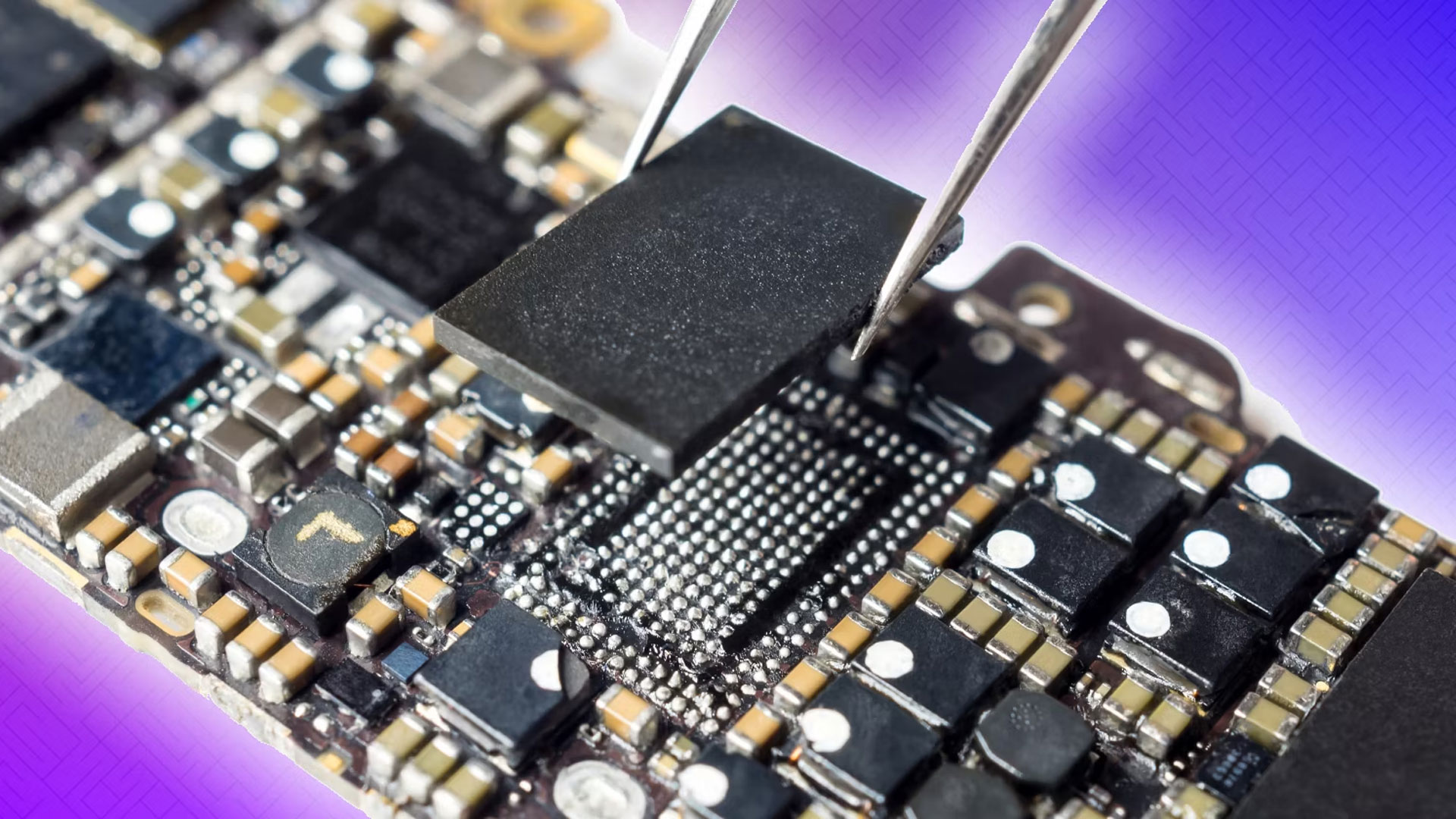
The industry is facing a challenging phase, driven by unexpected market dynamics. Companies active in AI development are purchasing enormous amounts of hardware components, causing a rapid and steady rise in memory prices for RAM and storage.
This situation is generating a strong ripple effect across the entire tech sector, hitting especially the production of mid-range and affordable devices.
Manufacturers are therefore forced to revisit their strategies to absorb the impact of additional costs, trying not to let the final price for buyers rise unacceptably.
Affordable smartphones, this is how manufacturers intend to contain costs

According to analyses published by Counterpoint Research, the share of semiconductors in the total production cost of phones is on the rise.
For a standard device equipped with LPDDR5X RAM and UFS 4.0 storage, these two specs accounted for 14% and 11% of the bill of materials at the end of Q1. Estimates indicate further heavy increases of 20% and 16% in the immediately following period.
To mitigate this expense, rumors shared by the well-known leaker Digital Chat Station on the Asian platform Weibo suggest an imminent return to configurations consisting of 8 GB of RAM paired with 512 GB of internal storage.
This exact combination would replace the more expensive and high-performance versions with 12 GB of RAM, allowing brands to contain costs at a time when profit margins are under heavy pressure.
Lower-quality materials and the return of the microSD
The tight need to keep prices down will be reflected clearly also in the external shell and biometric readers. In market segments around 3000 yuan, equivalent to about 380 euros, we will almost certainly see the reuse of plastic bezels and the traditional short focal-length optical fingerprint sensors.
There is, however, broadly positive news for consumers. The sharp increases affecting internal storage space are encouraging the reintroduction of the hybrid SIM tray.
This technical solution allows inserting a microSD card in place of a second phone line, giving users a cheap and practical way to expand storage for photos, videos and personal apps, bypassing the price hikes of soldered memories.
Budget cuts will also affect the quality of the front panels. Displays with refresh rate locked at 90 Hz and equipped with the classic waterdrop notch for the camera, specs previously relegated to units much cheaper at 120 or 200 euros like the Redmi 15C or Galaxy A17, could make an unexpected appearance on devices priced slightly higher.
A future of compromises
2026 is shaping up to be a year of strong compromises for those seeking a mid-range phone.
The overall contraction of the quality-to-price ratio, triggered by the AI hardware race, will require users to pay closer attention when buying.
It will be essential to read the specifications carefully, evaluating prudently every single hardware concession proposed by the companies.