


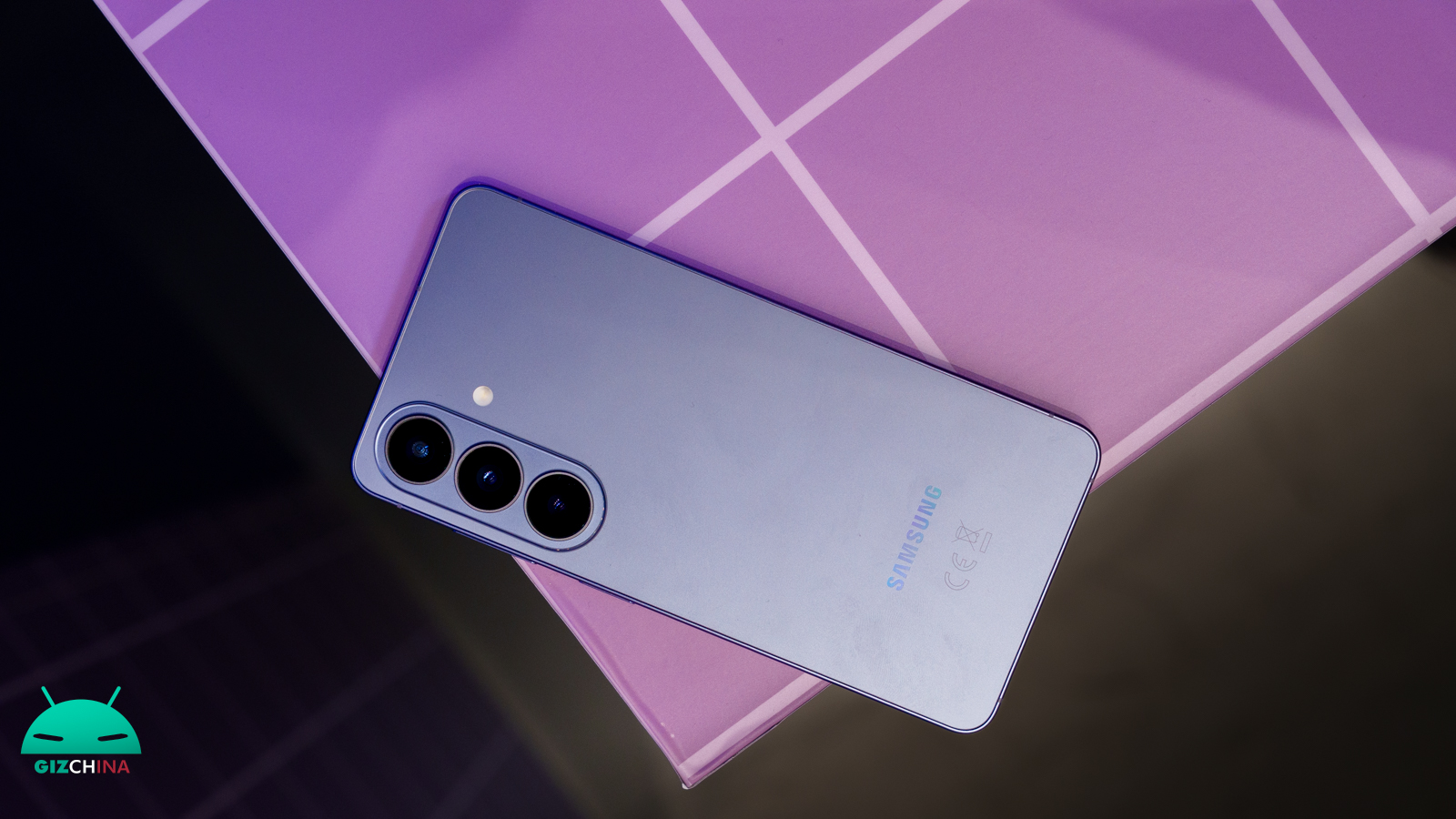
The recent weeks have seen the debut of the Galaxy S26 series, a launch greeted by extraordinary numbers and a warm reception in international markets.
Company executives confirmed the surpassing of previous pre-order records, registering double-digit growth in several strategic geographic regions.
However, this enthusiastic reception from consumers hides a corporate reality that is far more complex and worrying. The brand’s mobile division, known as Samsung MX, is in fact on the brink of a particularly severe financial crisis, so much so that management has established a state of extraordinary administration.
This is a seemingly contradictory situation, where exceptional sales volumes do not translate into adequate economic stability, putting the accounts of the South Korean giant at risk.
Samsung MX, the devastating impact of rising costs

The root of this financial instability lies in a drastic surge in costs tied to hardware supplies. Over the past year, memory chip prices have undergone a frightening rise, increasing about eight and a half times (+850%) compared to previous values.
This vertical increase is aggressively eroding the profitability of the mobile division. Operating profit, which stood at 12.9 trillion won last year, risks dropping to around 5 trillion won in the current fiscal year.
Profit margins also paint a critical picture: from 11% registered in Q1 2025, estimates indicate a potential contraction to as low as 3%, with the concrete fear of dropping below 1% by 2026.
Such a scenario would open the doors to the first operating loss in the history of the company’s mobile sector. This uncontrolled price dynamic, moreover, is not only affecting Seoul’s company, but is putting strong pressure on the entire mobile sector, threatening the balances of numerous other major international brands such as Xiaomi, Vivo, Honor and OPPO.
Drastic measures with internal reorganization
To stem this hemorrhage, company leaders have unveiled a highly rigorous cost-containment plan.
The entire Device Experience macro-division, which encompasses not only smartphones but also the TV and home appliance sectors, has been subjected to these stringent directives.
The segments dedicated to displays and household appliances are forecast to incur combined losses around 200 billion won for the current year, in line with the difficulties of the previous year. The primary directive imposes a linear 30% cut in operating costs across all corporate units.
Organizational consequences are immediate: the company is evaluating staff redeployments and offering early retirement packages to some senior figures.
Executive privileges have also been significantly reduced to favor savings. The new company policy on business trips prohibits the use of business class for executives below the vice president level on all flights under 10 hours, forcing them to travel in economy class.