


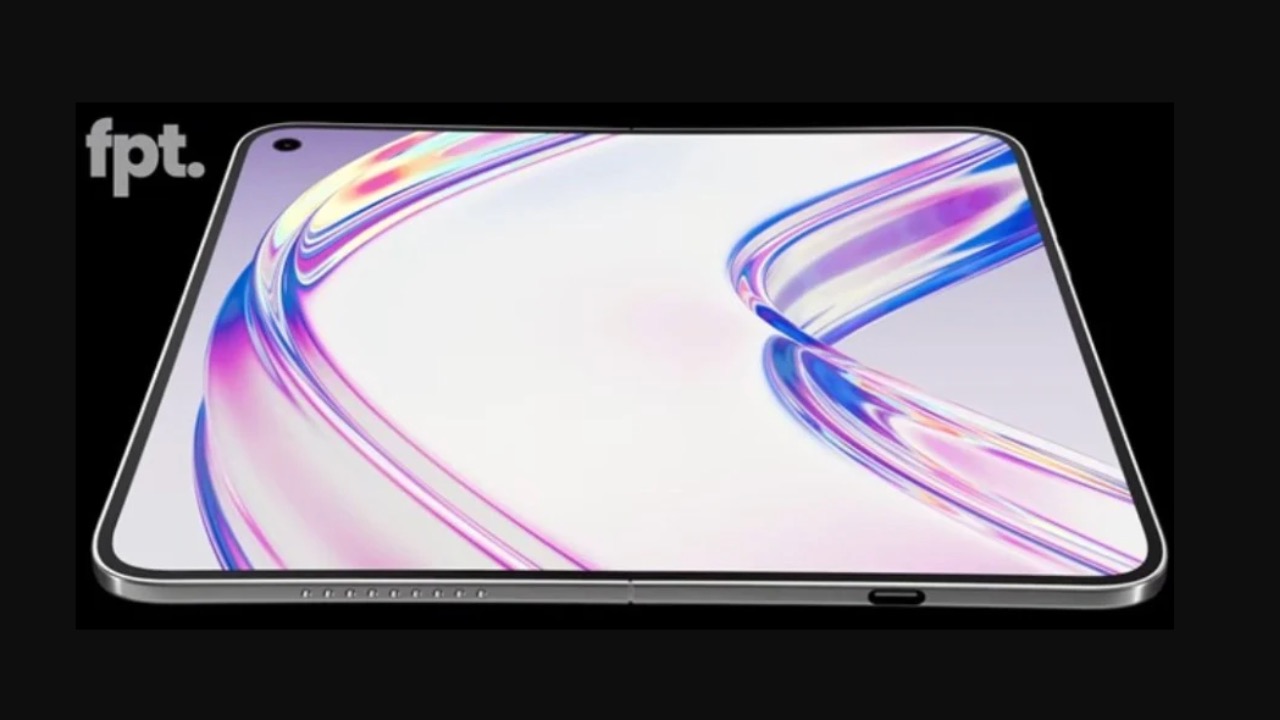
Apple is preparing to enter the foldable smartphone market, a full seven years after the first models launched by the direct competitors.
The new product, which some rumors suggest could bear the commercial name of iPhone Ultra, will debut in the fall with a clear conceptual direction: offering a very large internal display without distorting the smartphone software identity.
The device will sit at the top of Apple’s lineup, aiming to attract those seeking a large visual surface and those who currently use Android devices in the same category.
Those expecting a foldable iPad, however, might be disappointed.
iPhone Fold will not be a foldable iPad

Despite the generous size of the internal screen, comparable to that of an iPad mini, the Californian company will keep iOS as the base operating system. Buyers should not expect a switch to iPadOS.
This means the foldable will not support advanced multi-window management typical of tablets, nor will it allow native and immediate execution of applications written specifically for iPad.
According to journalist Mark Gurman, there will nevertheless be a deep optimization work of the interface. The system will support tablet-derived layouts, offering the possibility to place two applications side by side, in a ‘side-by-side’ style.
Developers will have the tools to adapt their software to the new proportions, introducing functional navigation elements such as sidebars. The chosen approach aims to ensure effective and productive multitasking management, but inherently simpler than a full desktop experience.
Form, displays and compromises
From a construction point of view, the inner display will adopt a 4:3 aspect ratio, resulting in significantly wider than the average foldable smartphones currently on the market.
The company has invested substantial resources to limit the visual impact of the central crease, adopting a technology capable of reducing it significantly, while not fully eliminating it. At the same time, development focused on the durability of materials, to ensure the panel can withstand a high number of open and close cycles.
The aesthetic updates also involve the external part of the device, equipped with a display with shorter proportions than the classic iPhones.
On this panel will appear a hole for the front camera, which will replace the current pill-shaped notch, while preserving the Dynamic Island interface.
A similar solution with a single hole was chosen also for the inner screen, as tests conducted on under-display cameras yielded image quality not up to company standards. The main camera module, located on the back, will host two sensors.
The reduced thickness of the front panel finally imposed a fundamental change for biometric security, preventing the housing of the complex sensor system necessary for facial recognition.
After years of Face ID exclusivity on flagship models, security will be entrusted to the return of Touch ID, which will be conveniently integrated into the side power button.