


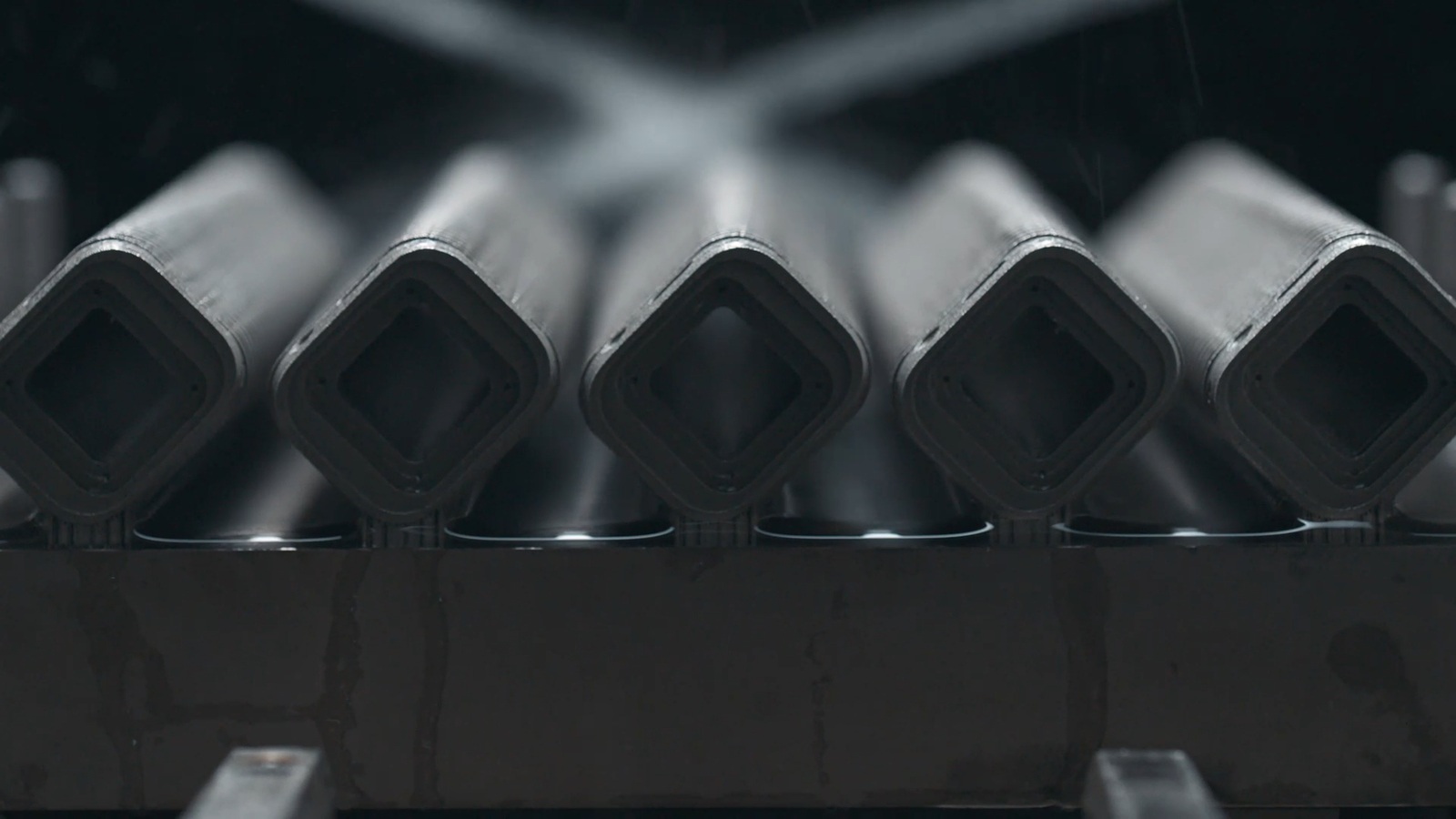
Apple continues to explore alternative production methods to optimize the assembly line for its devices.
According to recent rumors shared by Mark Gurman, a well-known journalist at Bloomberg, the California-based company is actively studying the possibility of implementing 3D printing for aluminum components.
This technique could soon be applied to produce iPhone parts and the housings of future Apple Watches.
Adopting this processing methodology would allow reducing machining scrap and shortening lead times, making the entire supply chain significantly more efficient and flexible than traditional milling from solid, where the material is “machined” to obtain the desired shape.
Apple Watch and iPhone with 3D-printed metal? The direction seems clear

This is not the first experiment by Cupertino with 3D printers. The tech giant has already successfully tested these procedures on complex materials, gradually shifting production toward additive techniques.
The recent Apple Watch Ultra 3 and Series 11, for example, feature elements in 3D-printed titanium, made using exclusively 100% recycled material.
An additional confirmation of the validity of this approach arrived with the introduction of the innovative iPhone Air, whose titanium USB-C connector was created precisely through additive printing techniques.
The transition from titanium to aluminum thus represents a logical step aimed at extending the undeniable manufacturing advantages to models produced in considerably higher volumes and intended for the general public.
Price reductions and aesthetic updates for Macs?
Using 3D printing for aluminum could trigger a series of positive consequences for end consumers. Optimizing manufacturing costs translates, potentially, into a reduction in prices on the list price, an eventuality that would make the company’s future smartphones more affordable.
A hint about the company’s strategies can be found in the brand-new MacBook Neo: while not yet using 3D printing in the strict sense, the entry-level laptop was built with an innovative process that minimizes the use of aluminum, allowing the company to launch the computer at a very aggressive starting price.
Following the MacBook Neo, characterized by very vibrant finishes, Gurman also anticipates some purely aesthetic novelties for desktop devices: the future iMacs, expected by the end of this year, will adopt a completely refreshed color palette.