


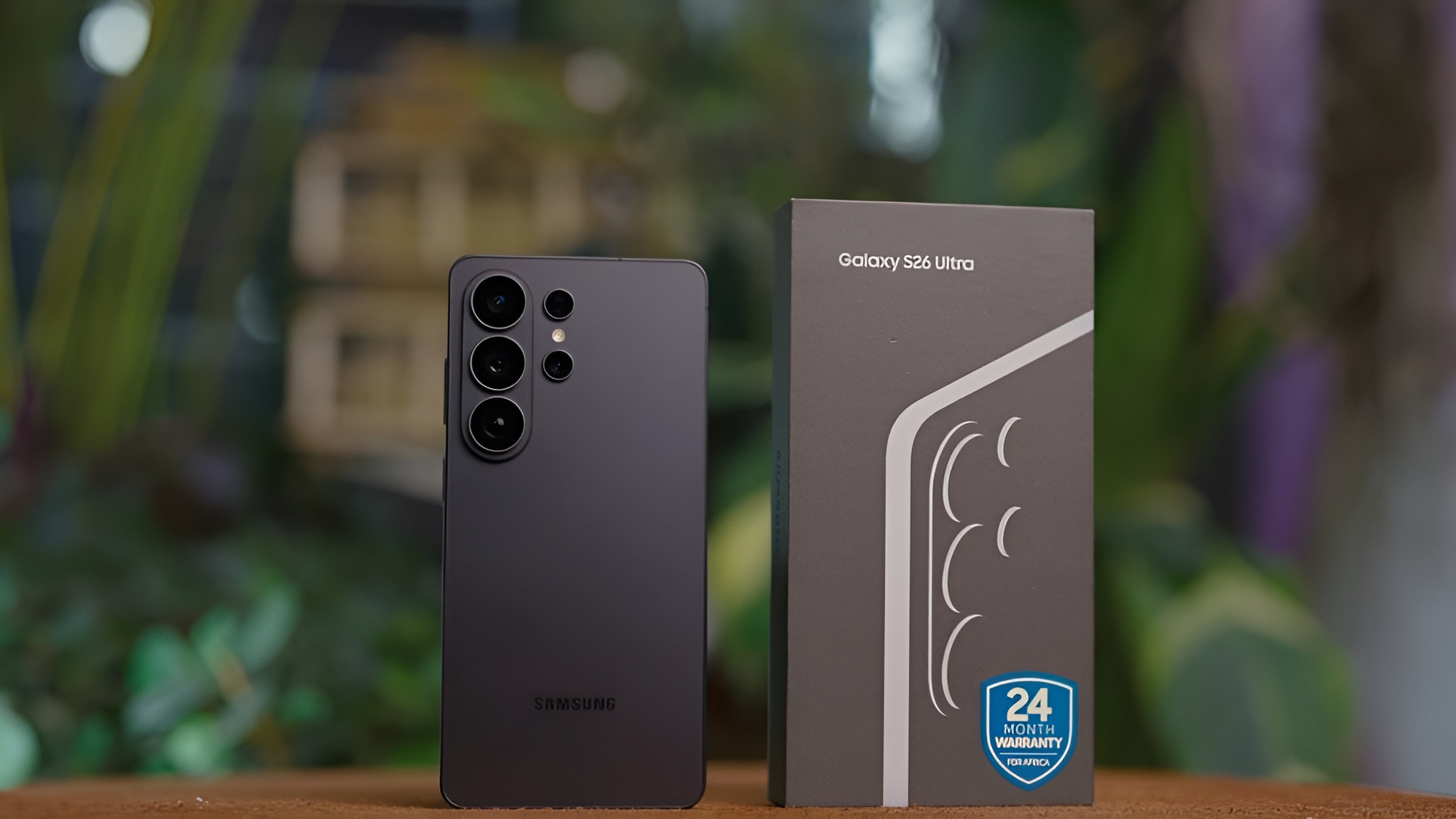
The wait for Samsung’s new flagship device, the Galaxy S26 Ultra, is about to come to an end, but the tight control over information seems to have gotten out of hand for the South Korean giant. Although the official unveiling is scheduled for tonight, details about the new top-of-the-line are already circulating freely online.
After an initial containment attempt by the company, which forced the removal of some images published by an American YouTuber, a Bangladesh-origin YouTube channel bypassed the blocks by publishing a full, comprehensive review of the phone.
Interestingly, the video initially presents itself halfway as an action short, before finally revealing the device in its entirety.
The origin of this flaw seems to lie in a supplier that began shipping to various international retailers some models originally destined for the African market.
Samsung Galaxy S26 Ultra, what does the first review reveal?


Observing the images taken from the video, a clearly more elegant aesthetic emerges compared to what the various renderings had suggested in previous months. The rear camera module appears more harmoniously integrated.
Despite rumors of an imminent move to aluminum, following Apple’s choices with the iPhone 17 Pro last year, the early review confirms that the device maintains the coveted titanium chassis.
From an ergonomic standpoint, there is a noticeable refinement of the dimensions: thickness drops to 7.9 millimeters versus the 8.2 of the previous model, while the weight sits at 214 grams, marking a small but welcome reduction.
The processor Snapdragon 8 Elite Gen 5 for Galaxy guarantees top-tier performance, supported by a 5,000 mAh battery and a 60W fast charging, confirming the specs that emerged in recent weeks.
However, the standout technical element is undoubtedly the display. The device introduces a Privacy Display based on innovative hardware technology, capable of visually concealing the panel from anyone trying to peek at the phone from a side angle.


Observing the images taken from the video, a clearly more elegant aesthetic emerges compared to what the various renderings had suggested in previous months. The rear camera module appears more harmoniously integrated.
Despite rumors of an imminent move to aluminum, following Apple’s choices with the iPhone 17 Pro last year, the early review confirms that the device maintains the coveted titanium chassis.
From an ergonomic standpoint, there is a noticeable refinement of the dimensions: thickness drops to 7.9 millimeters versus the 8.2 of the previous model, while the weight sits at 214 grams, marking a small but welcome reduction.
The processor Snapdragon 8 Elite Gen 5 for Galaxy guarantees top-tier performance, supported by a 5,000 mAh battery and a 60W fast charging, confirming the specs that emerged in recent weeks.
However, the standout technical element is undoubtedly the display. The device introduces a Privacy Display based on innovative hardware technology, capable of visually concealing the panel from anyone trying to peek at the phone from a side angle.
Issues to resolve before the launch
The early preview, however, highlights some technical blemishes not to be underestimated. The reviewer’s analysis reveals clear overheating tendencies during extended camera use and even during simple video playback.
This is quite an unusual behavior for a Snapdragon chip of this tier, a problem historically more associated with Exynos processors.
It will be interesting to see whether the base and Plus versions, which in many regions will mount the new Exynos 2600 at 2 nanometers, will suffer the same thermal issues.

In addition to temperature issues, there have also been Wi-Fi connectivity issues.
Both defects seem largely attributable to an immature pre-launch software, a hurdle that the company will likely address with a timely update as soon as the devices reach shelves.
The futility of takedowns near the event
News leaks are now everywhere. Legal injunctions and requests for content removal inevitably lose effectiveness when there are less than twenty-four hours left before the official launch event.
Photos, technical tests, sample photos, and reviews are now in the public domain.
All that remains is to see how the multinational will handle tomorrow’s event, having to present a device whose enthusiast audience now knows every single detail of technical and stylistic design.