


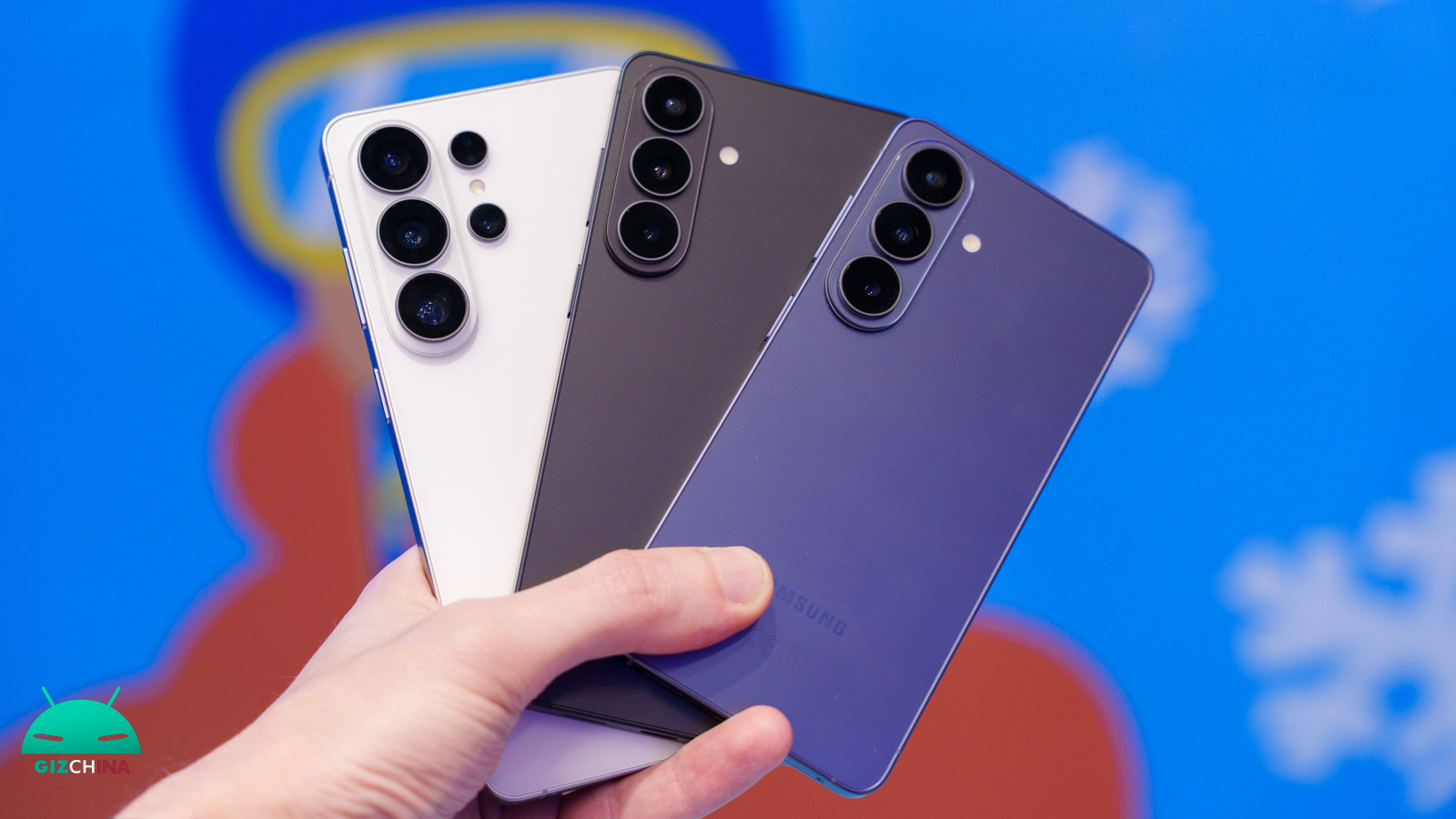
With the official unveiling of the new Galaxy S26 lineup signed by Samsung, the attention of enthusiasts has quickly shifted toward the analysis of pure performance.
The long-standing internal rivalry between the proprietary processor of the South Korean company and the counterpart developed by Qualcomm represents a topic of great interest for those looking to evaluate the purchase of the new devices.
The achievement of 2-nanometer Gate-All-Around technology by Samsung has raised notable expectations, and now, thanks to the first tests performed on the Geekbench 6 platform and shared online by GadgetsBoy, we can sketch an initial picture to understand how the two architectures fare in a direct comparison.
Exynos 2600 vs Snapdragon 8 Elite Gen 5 for Galaxy: the first comparisons

Analyzing the data related to pure CPU processing, a generally favorable situation emerges for the Qualcomm component. The Snapdragon 8 Elite Gen 5 for Galaxy, which during these specific tests powered the Ultra variant of the range, recorded results higher than the Exynos 2600.
Specifically, the evaluation in single-core highlights a score of 3,670 points for the American chip, compared to 3,105 points for the Asian competitor. This discrepancy translates into a tangible performance advantage of 18.2% in favor of the Snapdragon.
Even leveraging the full computing power in multi-core, the Qualcomm solution prevails, reaching 10,981 points, surpassing the 10,444 points of the Exynos 2600. In this second scenario the gap narrows to around 5.1%, a detail that still indicates good multi-thread efficiency on the South Korean processor.
Samsung’s comeback
The direction of the analysis changes in an interesting way when focusing on the integrated graphics performance. The Exynos 2600 is equipped with the GPU Xclipse 960, a high-end hardware that uses a customized version of the RDNA4 architecture, developed in close collaboration with AMD.
This fundamental synergy allowed Samsung’s processor to surpass Qualcomm’s offering in the tests OpenCL of Geekbench 6. With a score of 24,240 vs 24,152, Samsung’s graphics component demonstrates a superior power.
It should be noted, however, that tests conducted via the Vulkan libraries are still missing, which could provide further details on the real balance of graphical power between the two contenders.
Thermal management and long-term performance
Assessing the capabilities of a modern smartphone based solely on short synthetic stress-test sessions always provides a partial view. Benchmarks lasting only a few seconds, in fact, fail to measure the degradation of performance caused by overheating of the chips.
In this regard, the Exynos 2600 processor hides a resource of notable importance: the implementation of the Heat Pass Block (HPB). It is a particular copper heatsink placed directly above the silicon die, designed to promote an extremely rapid heat transfer to the outside.
It will be essential to wait for more in-depth tests to verify whether this innovation will allow the proprietary chip to completely close the gap in operational terms with its opponent in everyday use.