


A sudden avalanche turned a winter hike near the picturesque setting of Lake Tahoe into a situation of extreme danger.
Last Tuesday, six skiers found themselves isolated and trapped in a hostile environment, far from any cellular network or Wi‑Fi connection.
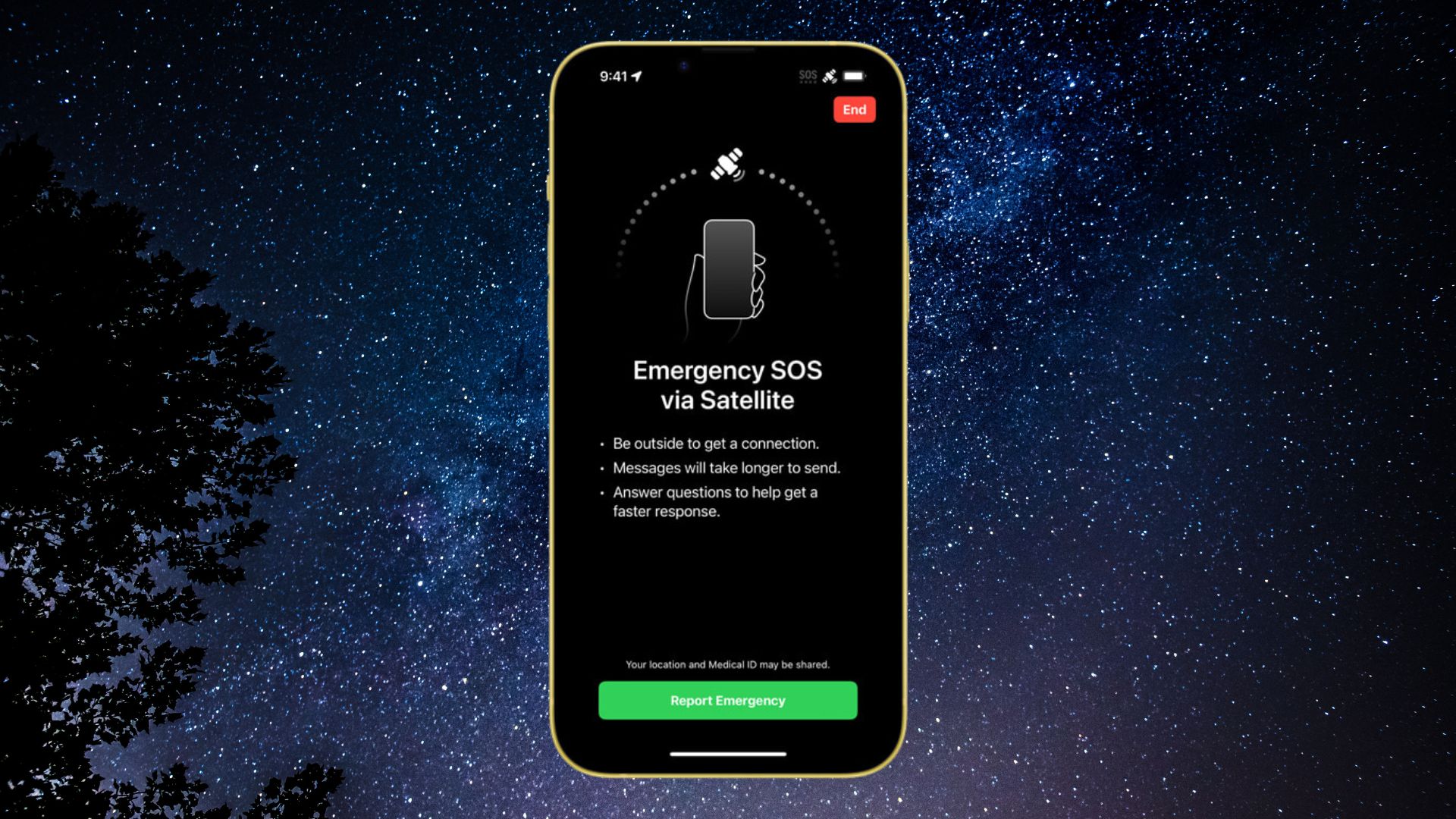
In a moment when immediacy is a critical factor for survival, technology played a decisive role. The survivors managed to raise the alarm using an emergency locator beacon and the built‑in Satellite Emergency SOS feature on their iPhone.
This combination of tools enabled a vital contact with the authorities, bridging an otherwise insurmountable communication gap.
iPhone Satellite SOS saves six more people
The emergency signal triggered a complex rescue operation coordinated by the Nevada County Sheriff’s Office. The contact established was not limited to a simple distress alert, but turned into a continuous communication channel lasting a full four hours.
Don O’Keefe, head of law enforcement for the California Emergency Services Office, explained how his personnel remained constantly in text contact with one of the avalanche-struck group members.
This flow of messages enabled crucial updates on the hikers’ conditions, optimizing response times and determining which rescue resources could intervene safely in a highly unstable mountainous area.
How the Satellite System Works
The rescue infrastructure designed by Apple comes into action when attempts to contact traditional emergency numbers fail due to lack of coverage.
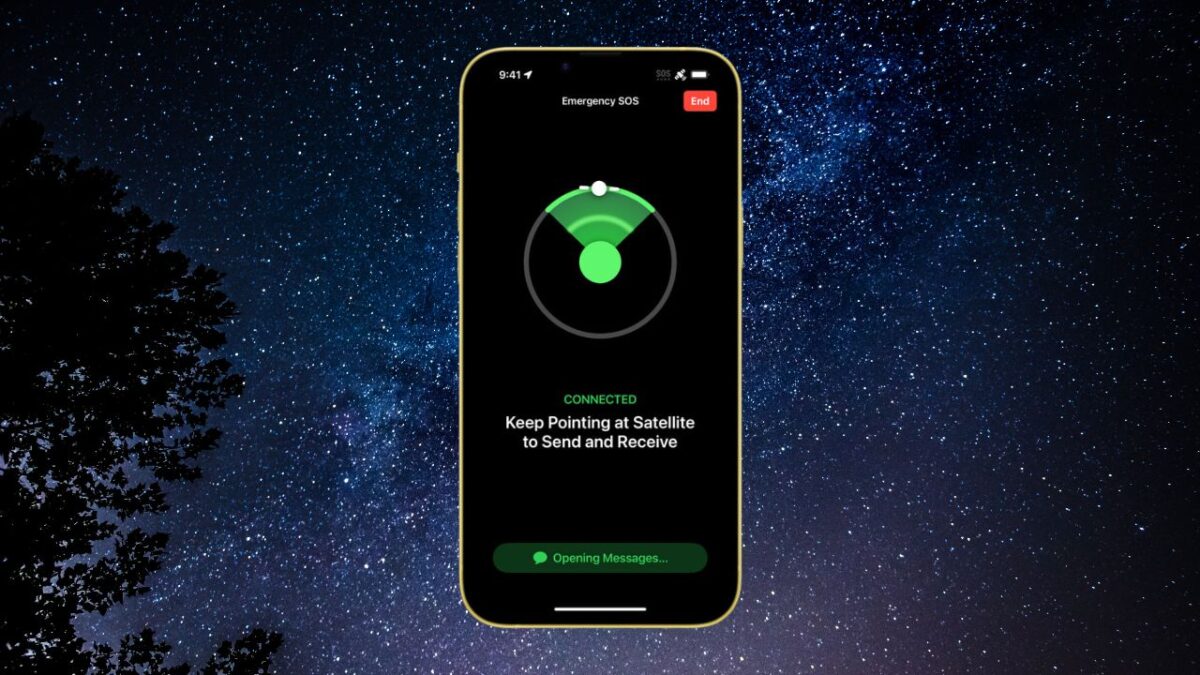
In these moments, the phone’s interface guides the user to position themselves in an outdoor area with a clear view of the sky, so as to properly align with satellites in orbit.
Once the signal is acquired, the system enables text messages to be exchanged with rescuers, who automatically receive vital information such as the exact location, pre‑set emergency contacts, and the device’s remaining battery life.
This feature is available on all models from the launch of the iPhone 14 through the iPhone 17 series, requiring iOS 16.1 or later for the United States, and it is also extended to the Apple Watch Ultra 3.
The service, free for the first two years after activation of the device, has recently introduced the possibility to communicate also with friends and family in the absence of network.
Meanwhile, similar satellite emergency features have been introduced into the Android ecosystem, with some versions of the Google Pixel 9 and on all devices in the Pixel 10 line.
A safety net for remote locations
The Lake Tahoe incident illustrates how emergency connectivity is making a difference in off-grid critical situations.
Since its introduction, this tool has been successfully used to assist during serious road incidents in remote areas and wildfires, demonstrating cross-cutting effectiveness.
Currently, the satellite network covers a large portion of the globe and is active in numerous countries, including Italy, the United States, Canada, France, Germany, the United Kingdom, Japan, and Australia.
The integration of these communications into everyday smartphones provides explorers and travelers with a valuable safeguard to face unforeseen events in the geographically most isolated territories.