


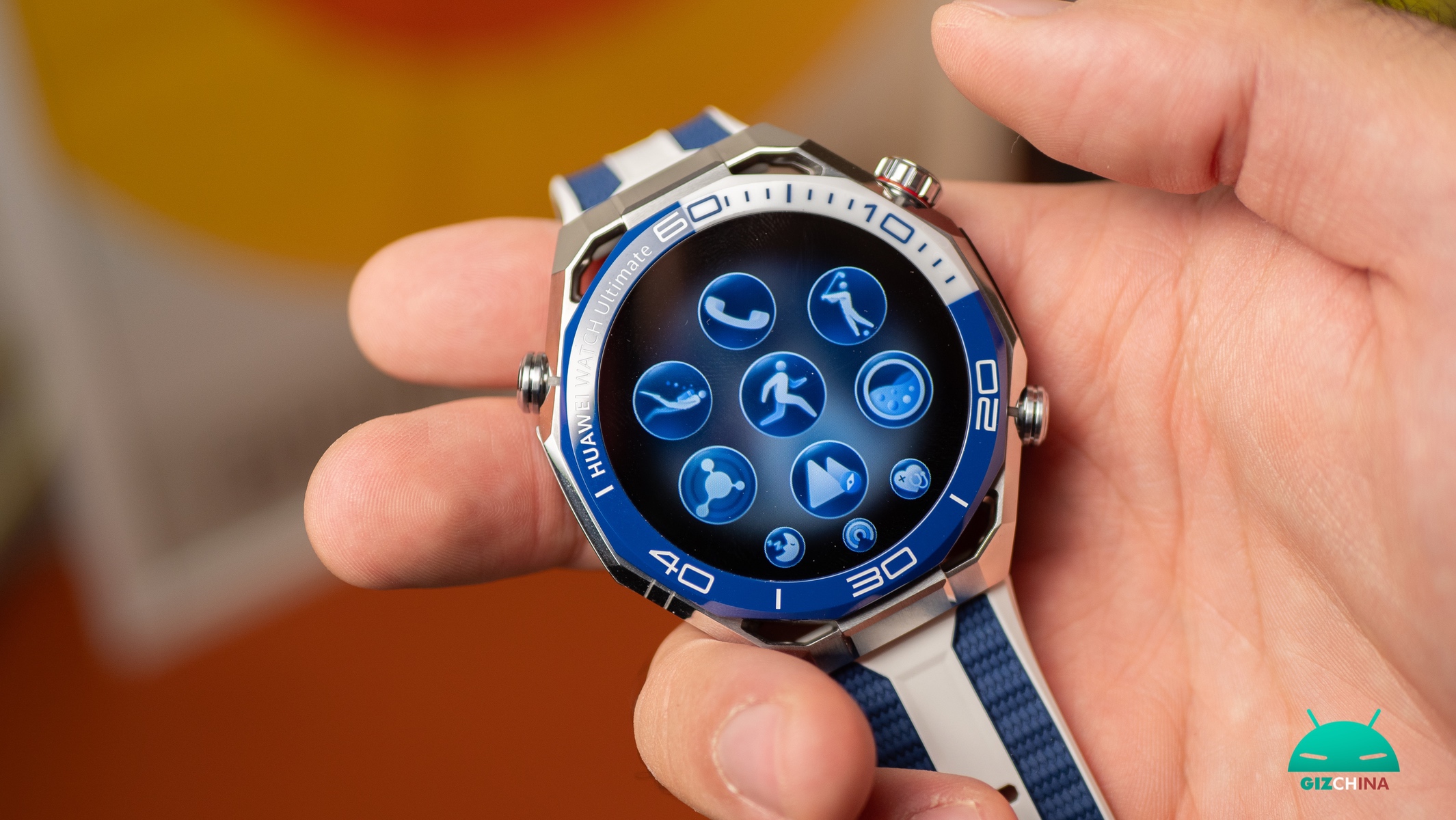
Diabetes continues to represent one of the most complex health issues and rapidly expanding worldwide. It is estimated that millions of people live with this condition without being aware of it, often due to the asymptomatic nature of the early stages.
Being able to spot warning signals in a timely manner can make a substantial difference in long-term health management.
In this context, Huawei’s recent initiative enters, announcing the introduction of a new feature for its smartwatches designed to discreetly identify potential diabetes risks, leveraging the volume of biometric data that wrist-worn devices collect daily.
Huawei smartwatches calculate diabetes risk

The technology making this assessment possible is photoplethysmography, commonly known by the acronym PPG. It is a non-invasive optical method capable of tracing minute variations in blood flow just beneath the surface of the skin.
Although this technique is already widely used in many wearables, including the Huawei Watch 5, to monitor standard parameters such as heart rate and blood oxygen saturation, the Chinese company has decided to push further.
The innovation lies in the advanced analysis of these same optical signals: Huawei’s algorithms are now able to examine them in search of specific physiological patterns that can be correlated with the risk of developing diabetes.
How monitoring works and scientific validation
To obtain a reliable estimate, the system requires active user cooperation from the user, who must wear the watch regularly for a continuous period ranging from three to fourteen days. During this period, the device continuously collects cardiovascular data from the wrist.
Subsequently, the dedicated application processes the information and classifies the results into three risk categories: low, medium or high.
If the user falls into the medium or high risk bands, the software explicitly recommends consulting a healthcare professional to carry out appropriate medical examinations.
To ensure the validity of this screening system, Huawei has launched a strategic collaboration with Dubai Health. This partnership aims to compare the results obtained via the smartwatch with traditional hospital clinical tests, such as fasting blood glucose, HbA1c, and the oral glucose tolerance test (OGTT).
System limits and competition
Despite the innovation, Huawei emphasizes that this feature does not turn the smartwatch into a medical device. Its primary aim remains to raise user awareness and encourage preventive action, without any claim to replace a formal clinical diagnosis.
The company is not alone in this journey of wearable evolution. The sector sees other major players engaged in developing similar solutions: Apple is exploring AI-based tools to predict structural heart diseases in future Apple Watch models, while Samsung is working on technologies able to detect the early signs of dementia.
Currently, the diabetes risk detection feature has reached the Huawei Watch GT 6 Pro via an OTA update in some countries, with concrete plans to extend support to other models and geographical areas, confirming the growing role of wearables as tools to support health prevention.