


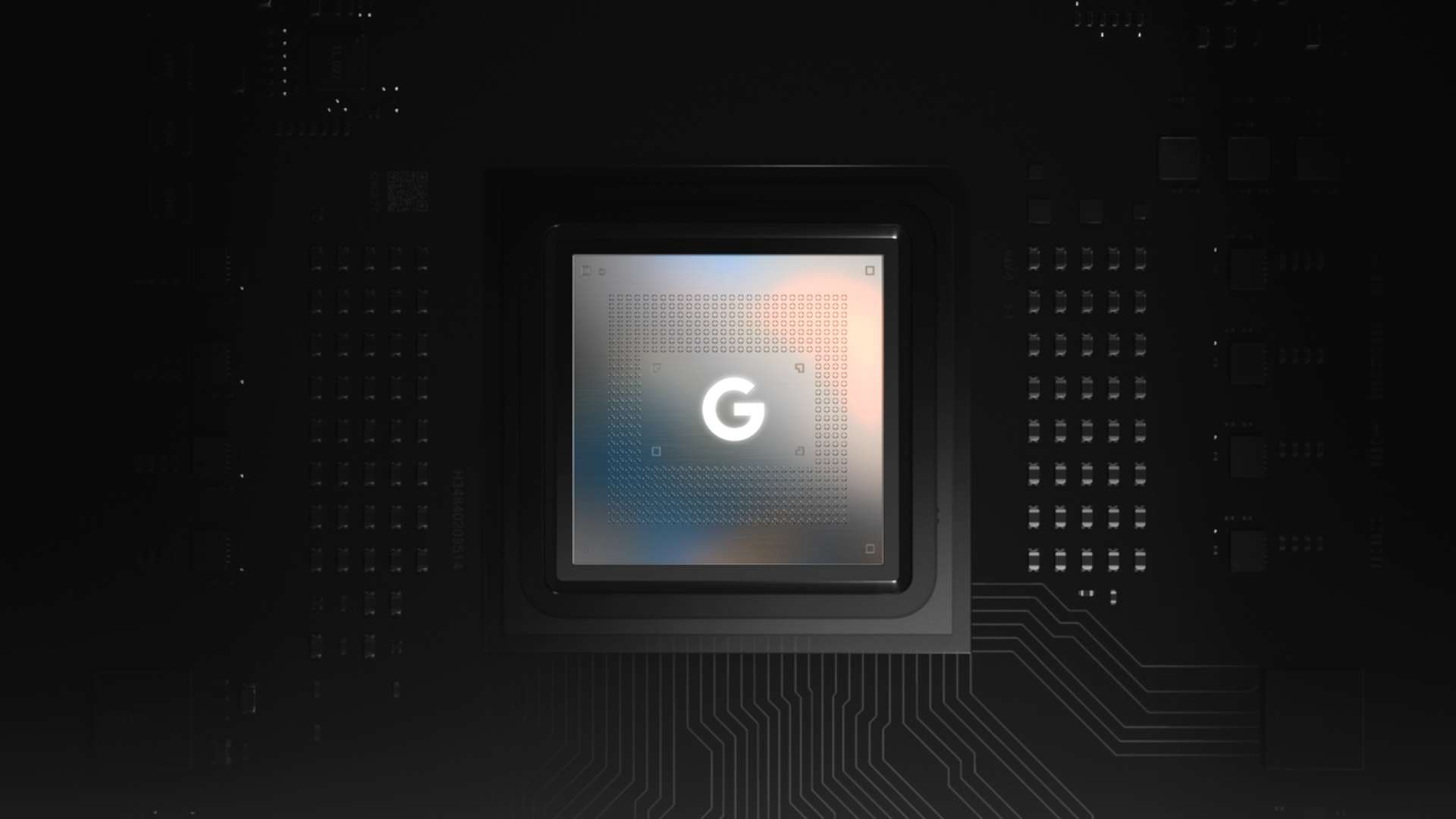
Media attention and that of the general public often focus almost exclusively on the performance of the main processor, leaving in the background the elements dedicated to data protection.
Our modern smartphones store financial information, personal documents and private conversations, making security hardware an absolute necessity.
Google has understood this urgency since 2018, introducing the first chip Titan M with the Pixel 3, then moving to Titan M2 in 2021 in conjunction with the launch of the Pixel 6 series.
Now, with the Pixel lineup’s tenth anniversary and the fifth year of development of its own customized silicon, the Mountain View company seems ready to make a decisive leap forward.
Tensor G6 and Titan M3, the chips that will power the Google Pixel 11

Based on recent leaks from the Telegram channel Mystic Leaks and picked up by several industry outlets, the upcoming Pixel 11 smartphone family will bring with it a fundamental hardware innovation.
Alongside the SoC Tensor G6, which is rumored to be manufactured with an advanced 2-nanometer process by TSMC, Google should finally integrate the novel security coprocessor Titan M3.
The first details emerging suggest that this module is currently in internal testing under the code name “Google Epic“, paired with firmware identified as “longjing“. This represents the first major renewal of Pixel’s security architecture in several years.
The competition with direct competitors
A dedicated physical module is essential to ensure the isolation of sensitive data, operating in a zone inaccessible even in case of compromise of the main operating system.
Reports indicate that the Titan M3 has been designed specifically to directly compete with Apple’s Secure Enclave, greatly raising the protection standards offered by the Android ecosystem up to now.
The previous iterations of the Titan line have stood out for their resilience to complex attacks, including electromagnetic analyses and laser injections. With this third generation, Google aims to further consolidate its position on the front of safeguarding security and privacy.
Prospects for users and expected features
The practical impact of this update will be felt in daily user experience.
The hypothesis is that Titan M3’s dedicated compute power could finally enable the integration of a unlock system with 3D face recognition that is extremely precise, capable of rivaling convenience and reliability with competing devices.
To obtain the first official confirmations or further clues about these specifications, all that’s left is to await Google’s I/O conference in May, an event that historically previews the company’s future strategies.