


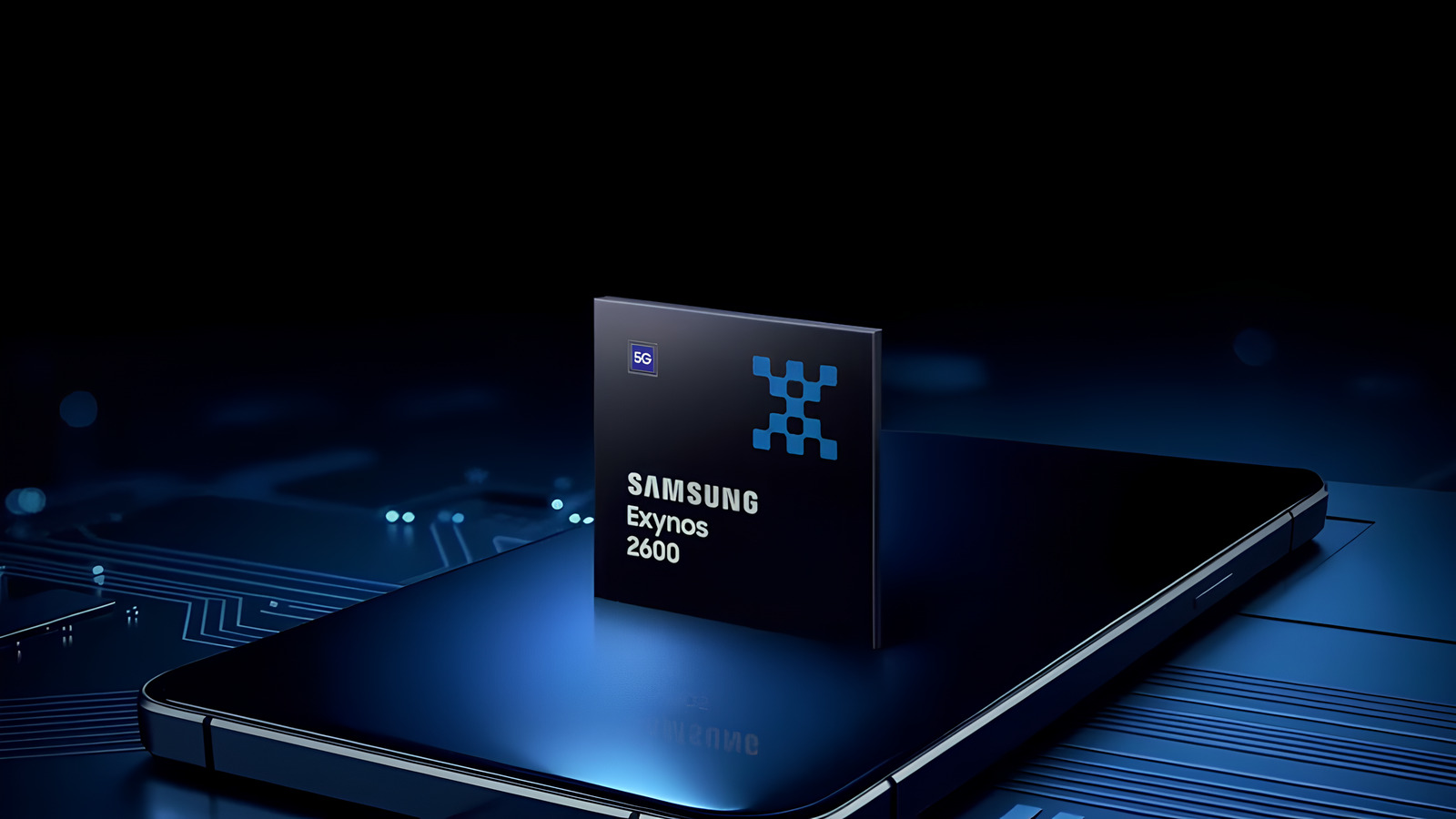
The strategy of Samsung for the Galaxy S26 series seems to confirm a geographic division of hardware, with the new Exynos 2600 reserved for certain markets and the Qualcomm Snapdragon 8 Elite Gen 5 destined for others.
Although differences in terms of raw chip power have often been debated in previous years, the current focus has shifted to the AI capabilities.
Recent data from the MLPerf Inference: Mobile tests offer an interesting snapshot and surprisingly balanced insight into the two platforms.
Exynos or Snapdragon, which comes out on top in AI performance?

The benchmark analysis reveals a parity situation that perhaps few would have expected. In six specific tests conducted to evaluate neural inference capabilities, the two processors split the wins evenly: three in Samsung’s favor and three in Qualcomm’s.
This result suggests that, instead of there being an absolute winner, we are facing two different optimization philosophies, each with its own strengths.
Samsung’s silicon has demonstrated a marked superiority in the categories Classification, Detection and Language. These areas are essential for everyday interaction with the smartphone.
The victory in classification and object detection implies that the Exynos 2600 could handle camera features related to scene recognition with greater responsiveness, as well as the intelligent organization of the photo gallery.
Even more relevant is the lead in linguistic tests. In an era dominated by virtual assistants and real-time translation, greater efficiency in this area could translate into faster responses from the textual generative AI and a better understanding of complex voice commands, running everything directly on the device without needing to rely on the cloud.

Qualcomm doesn’t stay on the sidelines and imposes its rule in the areas Segmentation, Super-Res and Stable Diffusion. These results indicate a clear aptitude for advanced processing and image generation.
Segmentation is crucial for separating subjects from the background, improving, for example, portrait mode quality or real-time video effects.
The win in Super-Res (super-resolution) and Stable Diffusion suggests that the Snapdragon 8 Elite Gen 5 is likely more capable in creative tasks, such as generating images from scratch or upscaling low-resolution photos and videos.
For users who heavily rely on AI-powered creative tools, Qualcomm’s solution could offer shorter wait times.
The wins are not overwhelming
The most reassuring aspect of this competition is the absence of a critical gap. We are not facing a scenario where one phone variant is clearly inferior to the other.
On the contrary, the choice (or geographic allocation) between Exynos and Snapdragon will simply determine which type of task will be performed with a slight margin of advantage: a faster language processing for Samsung or faster image manipulation for Qualcomm.
In both cases, the overall user experience is expected to be of the very highest level.