


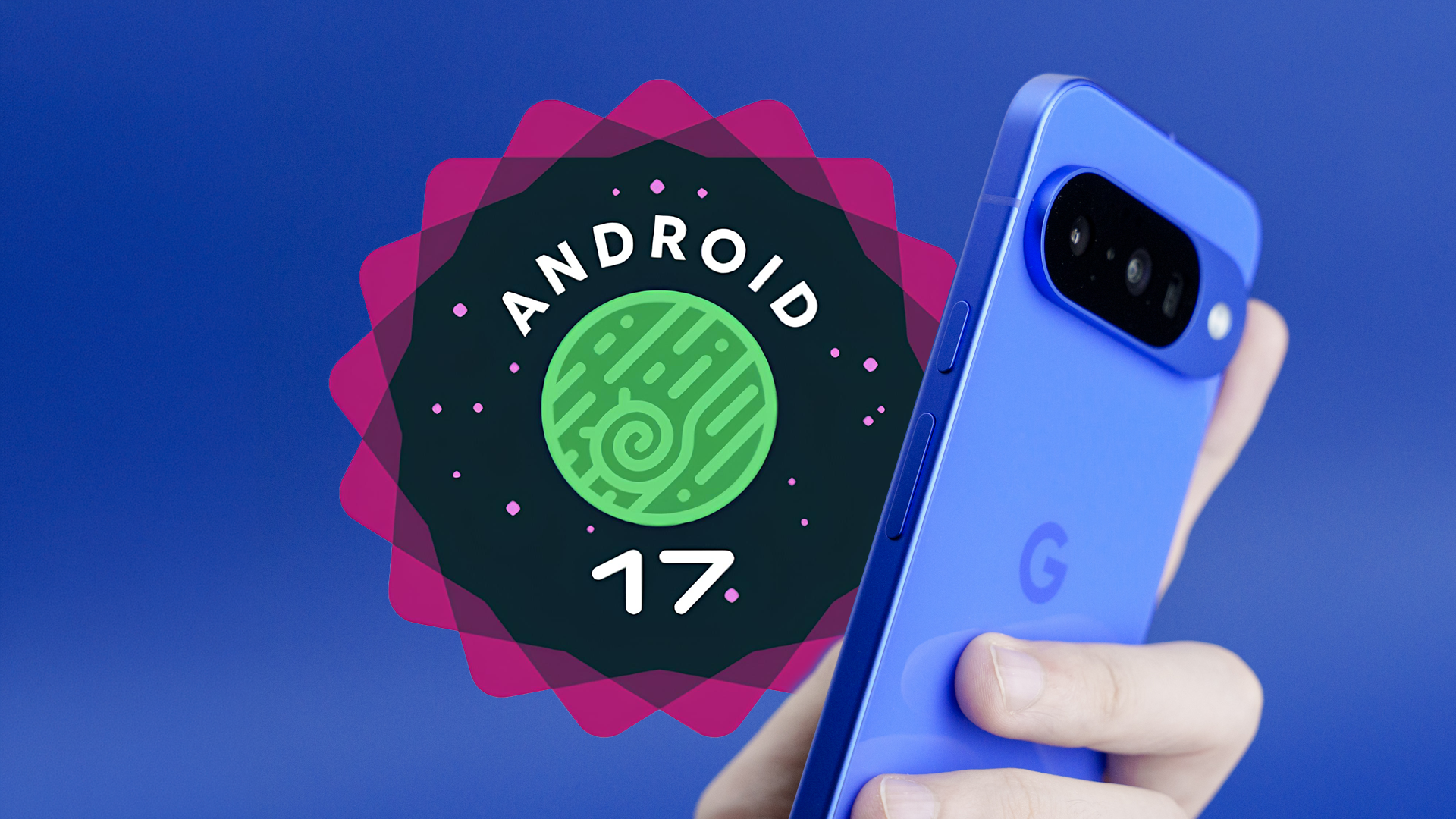
Everything seemed ready for the big debut. The date was marked on the calendar, press releases were ready and the community waited with their finger on the update button. Then, the plot twist: Google pressed the pause button.
What was supposed to be the launch day for the Beta 1 of Android 17, initially planned for February 11, 2026, turned into a small digital mystery when the Mountain View company pulled the update at the last minute, stating succinctly that the software would arrive soon, but not today.
Android 17 Beta 1 is official, but has already been withdrawn


The confusion arose when Google announced the arrival of the Beta 1, only to backtrack due to unspecified “last-minute changes“.
Although the false start left a bitter taste in the mouths of Pixel users ready to download, the information that emerged during this brief window outlined a very clear picture of the future of the green little robot, confirming that the 2026 roadmap remains extremely ambitious.
The most interesting aspect to emerge from this affair is not so much the delay, but the confirmation of a structural change in the way Google develops its operating system. The era of Developer Preview is officially over.
For years we have been used to seeing these pre-release versions precede public betas; now that model is archived in favor of a continuous Canary channel.
This approach, borrowed from Google Chrome development, allows engineers to introduce new APIs and features as soon as they pass internal tests, without waiting for the quarterly release.
The idea is to have features already well-tested when they arrive in Beta, ensuring software is more stable and mature from the first public contact.
Moreover, this system promises OTA updates (Over The Air), eliminating the tedious need to manually wipe the device’s storage to install test versions.
What new features were hinted at in the release?
Digging into the features this Beta was supposed to bring, a clear intent from Google emerges to impose higher standards for the user experience on large-screen devices.
With Android 17, developers will no longer be able to ignore foldable devices or tablets: the system will require apps to support window resizing and dynamic orientation. It’s a move that will please foldable and tablet owners, who too often have found themselves interacting with apps stuck in portrait mode.
Also the multimedia subsystem will receive significant improvements. The new camera APIs aim to eliminate those annoying shots and uncertainties that occur when switching from one lens to another during zoom. The system will allow apps to access data from all sensors simultaneously, ensuring smooth and professional transitions.
Additionally, the H.266 video codec (Versatile Video Coding) support is added, promising superior visual quality with smaller file sizes, and unified audio level management to avoid volume swings between different applications.
Which smartphones are compatible?
From what could be glimpsed in the official blog post dedicated to the Android 17 Beta 1 release, these are Google’s devices (phones, foldables and tablets) compatible with the update:
- Pixel 6
- Pixel 6 Pro
- Pixel 6a
- Pixel 7
- Pixel 7 Pro
- Pixel 7a
- Pixel Fold
- Pixel 8
- Pixel 8 Pro
- Pixel 8a
- Pixel 9
- Pixel 9 Pro
- Pixel 9 Pro XL
- Pixel 9 Pro Fold
- Pixel 9a
- Pixel 10
- Pixel 10 Pro
- Pixel 10 Pro XL
- Pixel 10 Pro Fold
- Pixel Tablet
A race against time
Despite the sudden stop, Google’s plans remain tight. The company aims to reach platform stability as early as March 2026, an incredibly ambitious milestone that would open the doors to a final stable release around June.
For users currently enrolled in the Beta program with Android 16 QPR3, the situation requires caution. Those who wish to switch to the stable Android 16 version without losing their data will need to leave the program now and wait for the official update.
For everyone else, the only option left is to wait for Google to fix the last-minute issues and finally give the green light to this new, somewhat troubled, chapter in Android’s history.