


The upcoming launch of the Galaxy S26 series thus represents a fundamental watershed. Raising prices right now could prove to be a strategic misstep in comparison with Apple; for this reason, rumors suggest the company is weighing a price freeze for the launch of the new model in selected markets, trying to absorb costs where possible.
Despite the difficulties, Samsung does not intend to slow down its AI strategy. The company expects to ship 400 million new devices equipped with AI this year, doubling Galaxy AI’s presence in the market.
However, the underlying irony remains: that same technology that boosted the brand’s notoriety among users from 30% to 80% in a year is now the main cause of rising production costs that risk making those very devices more expensive for everyone.
The upcoming launch of the Galaxy S26 series thus represents a fundamental watershed. Raising prices right now could prove to be a strategic misstep in comparison with Apple; for this reason, rumors suggest the company is weighing a price freeze for the launch of the new model in selected markets, trying to absorb costs where possible.
Despite the difficulties, Samsung does not intend to slow down its AI strategy. The company expects to ship 400 million new devices equipped with AI this year, doubling Galaxy AI’s presence in the market.
However, the underlying irony remains: that same technology that boosted the brand’s notoriety among users from 30% to 80% in a year is now the main cause of rising production costs that risk making those very devices more expensive for everyone.
The upcoming launch of the Galaxy S26 series thus represents a fundamental watershed. Raising prices right now could prove to be a strategic misstep in comparison with Apple; for this reason, rumors suggest the company is weighing a price freeze for the launch of the new model in selected markets, trying to absorb costs where possible.
Despite the difficulties, Samsung does not intend to slow down its AI strategy. The company expects to ship 400 million new devices equipped with AI this year, doubling Galaxy AI’s presence in the market.
However, the underlying irony remains: that same technology that boosted the brand’s notoriety among users from 30% to 80% in a year is now the main cause of rising production costs that risk making those very devices more expensive for everyone.
From the stage of the Las Vegas CES 2026, comes a warning that could shake the entire consumer electronics market.
Samsung has issued a clear warning regarding the imminent price increases for its devices, a direct consequence of the global shortage of semiconductors and RAM memory.
If by early December the company had kept a low profile, merely telling Reuters that it was “monitoring the market”, the narrative has drastically changed in recent hours.
Samsung, prices rising and the blame is still AI

Wonjin Lee, Samsung’s head of global marketing, did not hesitate during an interview with Bloomberg, admitting that the situation is critical and that the company is laying the groundwork for an official announcement that may not please consumers.
According to Lee, supply difficulties for semiconductors are set to hit the entire industry across the board. Component prices are rising in real time and, despite the brand’s intention not to pass this burden on to end users, the breaking point seems to have been reached.
Samsung is increasingly forced to seriously consider a repositioning of its list prices for its products.
The voracity of artificial intelligence
At the heart of this perfect storm lies one precise culprit: artificial intelligence.
The global RAM shortage is not due to a drop in production per se, but to a shift in priorities. The data centers powering generative AI models consume enormous amounts of memory with high bandwidth (HBM).
To meet this insatiable demand, memory manufacturers have converted their production lines, thereby reducing output of traditional RAM used in cars, appliances and, of course, smartphones.
Sanchit Vir Gogia, CEO of Greyhound Research, clearly explained the technical dynamics that are reshaping the market. AI workloads have changed the very nature of demand: training and inference systems require persistent, huge memories placed in extreme proximity to compute centers.
It is not possible to reduce these specifications without compromising performance. This cascading effect has created a bottleneck that, three years after the launch of ChatGPT and the start of the AI gold rush, is starting to cost consumers, who find themselves paying more for a technology that promised to simplify daily life.
A real challenge for the Galaxy S26
The situation was also confirmed by TM Roh, co-CEO of Samsung’s mobile division, who, speaking to media at the Las Vegas expo, defined the current scenario as one of the toughest pricing situations ever faced in the memory sector.
Roh explicitly warned that adjustments to smartphone prices could be necessary, a risky move at a very delicate moment in the company’s history.
Samsung, in fact, finds itself caught in a tight competitive vise. In 2025 it handed over the crown of best memory producer to rival SK Hynix and, at the same time, Apple overtook it as the world’s largest smartphone maker, thanks to the success of the iPhone 17 series.
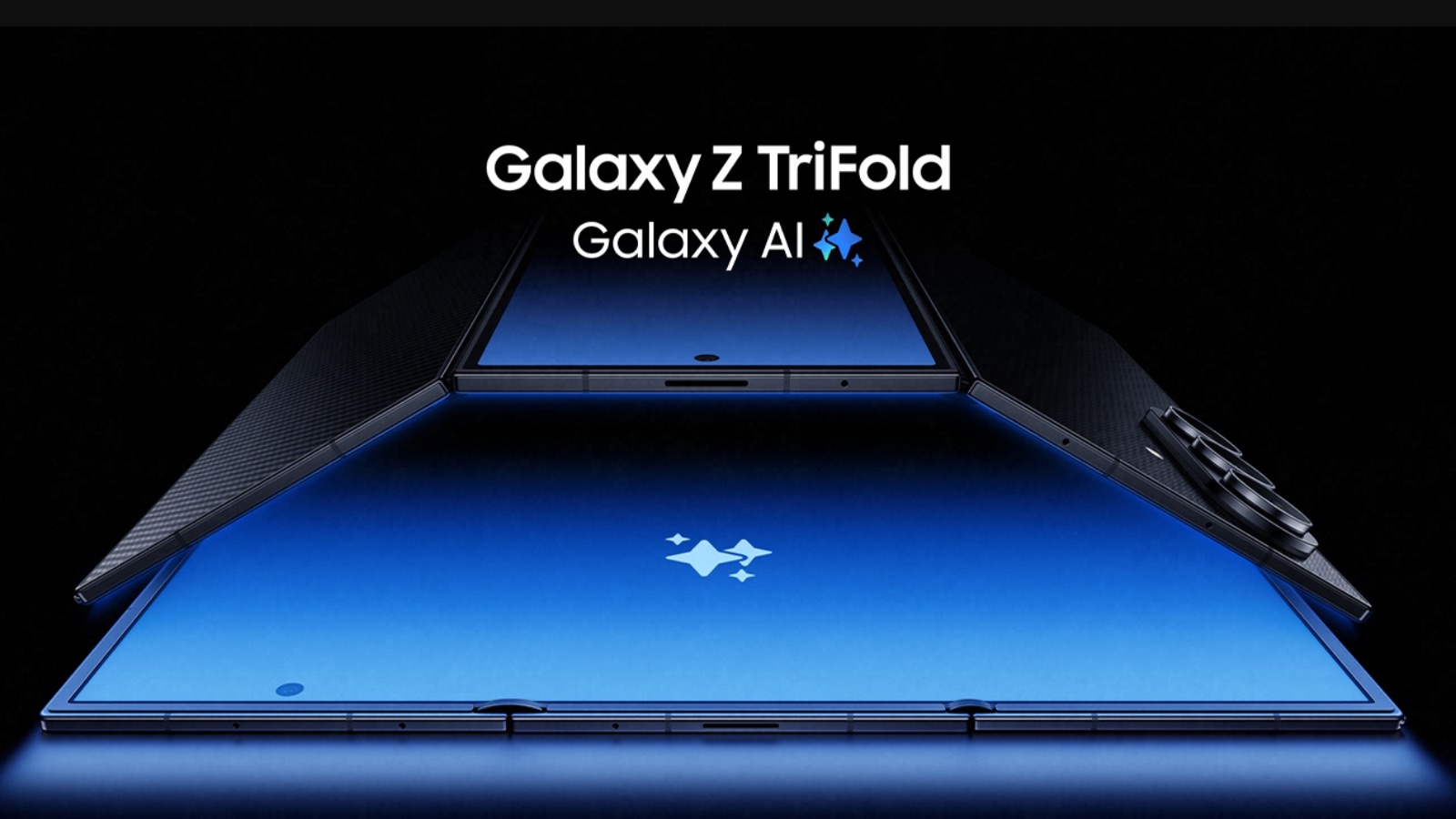
Despite the difficulties, Samsung does not intend to slow down its AI strategy. The company expects to ship 400 million new devices equipped with AI this year, doubling Galaxy AI’s presence in the market.
However, the underlying irony remains: that same technology that boosted the brand’s notoriety among users from 30% to 80% in a year is now the main cause of rising production costs that risk making those very devices more expensive for everyone.
The upcoming launch of the Galaxy S26 series thus represents a fundamental watershed. Raising prices right now could prove to be a strategic misstep in comparison with Apple; for this reason, rumors suggest the company is weighing a price freeze for the launch of the new model in selected markets, trying to absorb costs where possible.
Despite the difficulties, Samsung does not intend to slow down its AI strategy. The company expects to ship 400 million new devices equipped with AI this year, doubling Galaxy AI’s presence in the market.
However, the underlying irony remains: that same technology that boosted the brand’s notoriety among users from 30% to 80% in a year is now the main cause of rising production costs that risk making those very devices more expensive for everyone.
The upcoming launch of the Galaxy S26 series thus represents a fundamental watershed. Raising prices right now could prove to be a strategic misstep in comparison with Apple; for this reason, rumors suggest the company is weighing a price freeze for the launch of the new model in selected markets, trying to absorb costs where possible.
Despite the difficulties, Samsung does not intend to slow down its AI strategy. The company expects to ship 400 million new devices equipped with AI this year, doubling Galaxy AI’s presence in the market.
However, the underlying irony remains: that same technology that boosted the brand’s notoriety among users from 30% to 80% in a year is now the main cause of rising production costs that risk making those very devices more expensive for everyone.