

Although recent media attention has focused primarily on the Galaxy XR headset, it seems that for Samsung this device represents only the first step in a much broader and more diversified strategy.
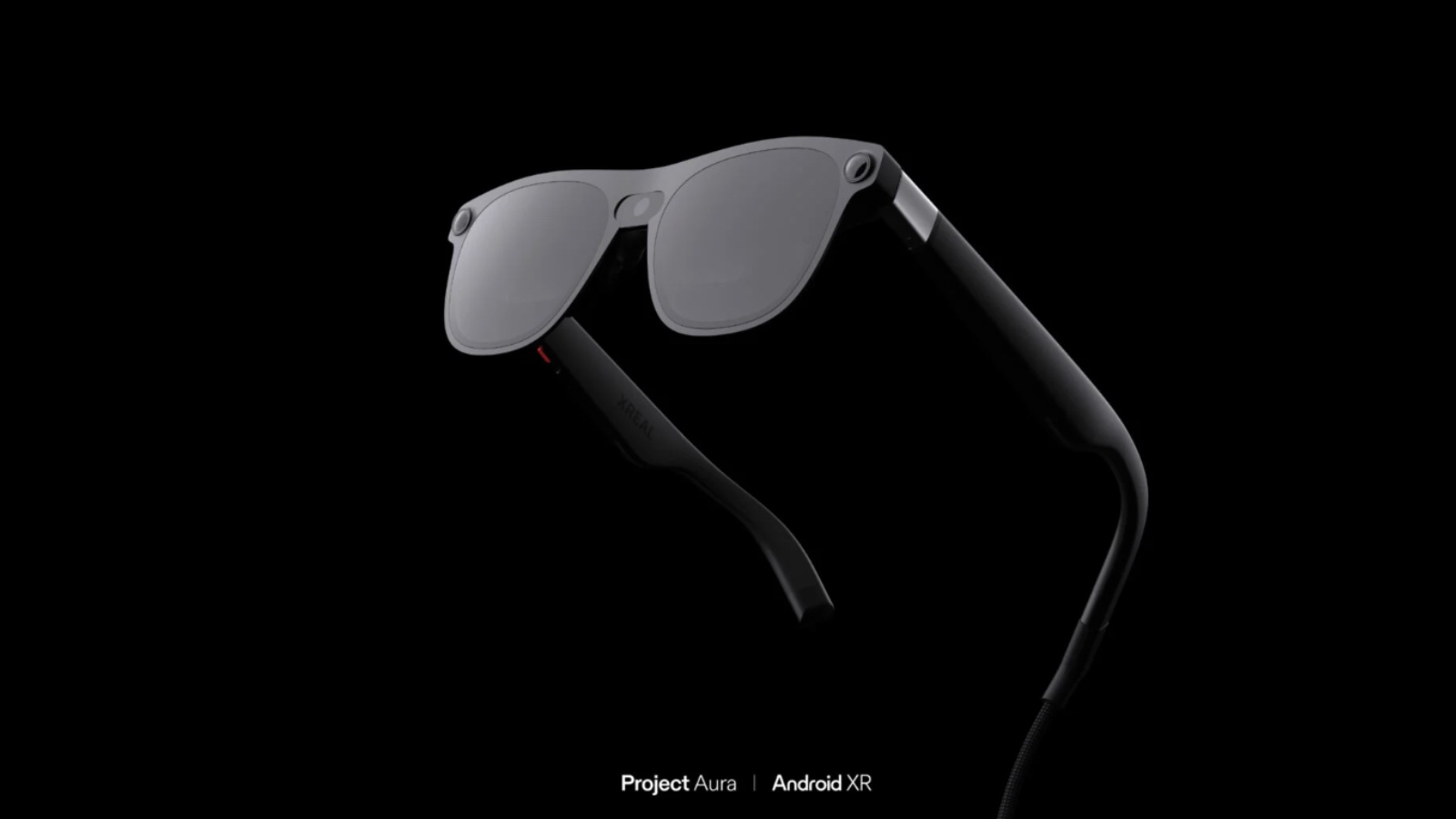
According to the latest industry rumors, the South Korean giant, in close collaboration with Google, would be planning the launch of several types of augmented reality glasses (AR) and AI-enabled glasses (AI).
Supporting this thesis is the appearance online of two specific model numbers that suggest the parallel development of distinct devices.
Samsung Glasses, two model numbers leaked

The first traces of this new project emerged at the end of last year with the identification of the model code SM-O200P.
The picture has become considerably more interesting in recent weeks thanks to the investigative work carried out by GalaxyClub colleagues, who uncovered the existence of a second identifier: SM-O200J.
At first, the presence of two similar acronyms could lead one to think of regional variants of the same product, a common practice in the mobile phone industry.
However, a deeper analysis of the available documentation suggests a very different reality: both models, in fact, appear to be destined for the same markets.
This detail leads to the conclusion that Samsung is working on two different hardware devices, each probably characterized by unique features or intended for a different use case.
Technical specifications and the meaning of the letters
Although the full technical specifications are still shrouded in mystery, the first concrete details regarding the model SM-O200P are starting to emerge.
It has been confirmed that this version of the Galaxy Glasses (still a provisional name) will be equipped with a 12-megapixel autofocus camera, to offer not only good-quality video and photo capture capabilities, but potentially also advanced AI-powered visual recognition features.
Even more fascinating is the speculation about the meaning of the letter “P” in the model code. The most credible hypotheses suggest that it could stand for “photochromatic” (photocromatic), indicating the presence of lenses capable of automatically adapting to ambient light conditions, darkening in the sun and returning to clear indoors.
If confirmed, this detail would position the device as a wearable accessory to be worn all day, blending technological utility with visual comfort. The meaning of the letter “J” in the second model remains an open question, leaving room for speculation about a possible version “Junior” (more affordable) or one with different structural features.
The Key Role of Google and the Future of Android XR
Samsung’s hardware expansion cannot be analyzed without considering the pivotal role of software. Google’s ambitions for its platform Android XR go far beyond supporting headsets (video see-through) like the Galaxy XR.
<pMountain View has clarified the intention to natively support a wider range of devices, including optical see-through headsets, full AR glasses, and lightweight glasses focused on artificial intelligence.This synergy between Samsung’s diversified hardware and Google’s flexible platform outlines a near-term future where wearable technology will be less invasive and more integrated into daily life.
Although Samsung has not yet officially announced its near-term XR roadmap, the appearance of these models suggests that the company could expand its offering as early as the end of the year, proposing lighter and more discreet alternatives to traditional headsets, ready to compete in a rapidly evolving market.