


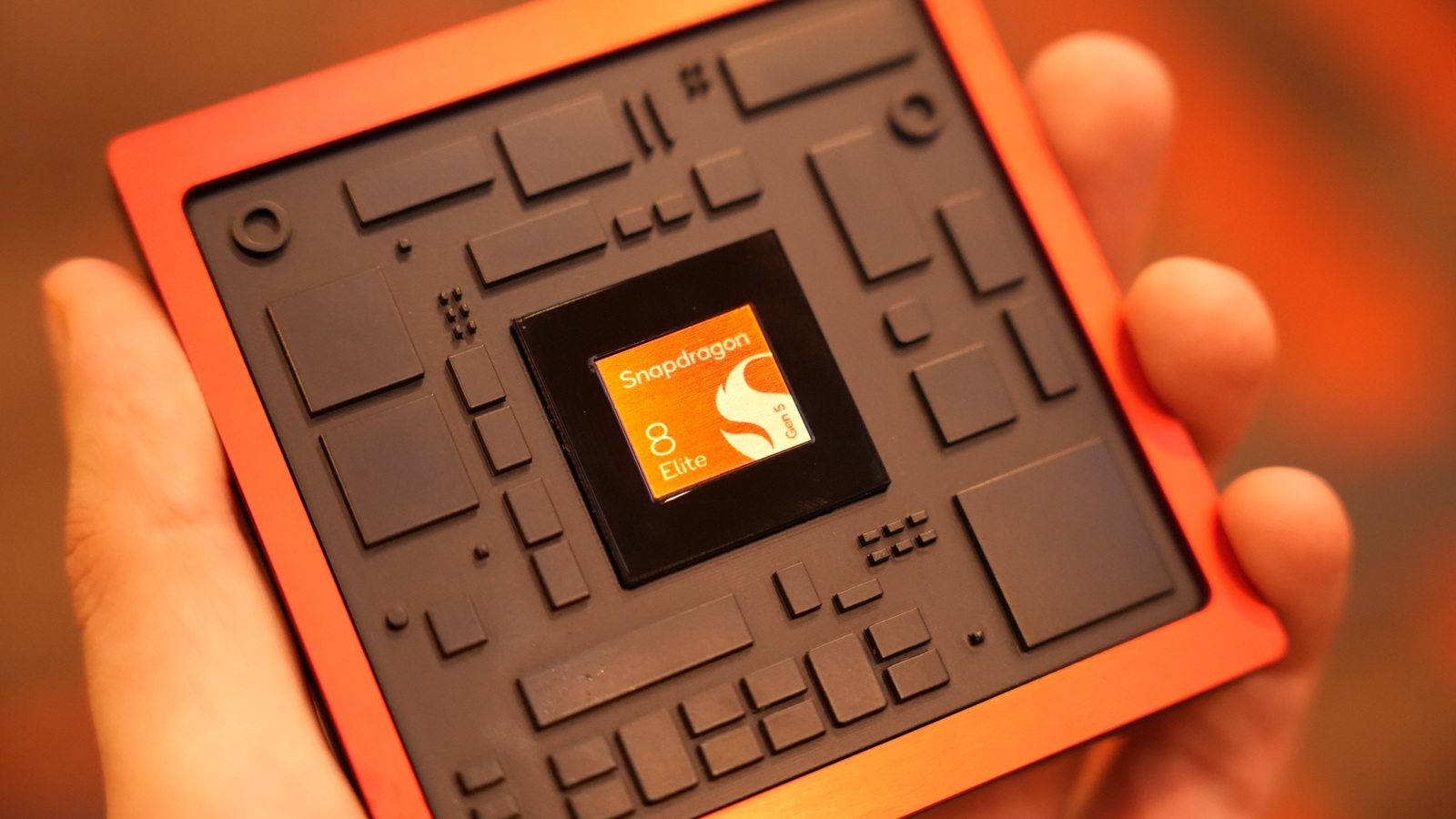
The buzz of the CES 2026 still resonates loudly, bringing with it crucial confirmations for the immediate future of flagship smartphones. At the center of the stage is, as usual, the symbiotic yet complex relationship between Samsung and Qualcomm.
During the Las Vegas fair, Cristiano Amon, CEO of the San Diego-based company, released statements that clearly outline the strategy for the upcoming Galaxy S26 family, consisting of base, Plus and Ultra models.
His words confirm that Qualcomm will maintain a dominant position in processor supply, securing about 75% of the market share for the upcoming Korean flagship devices.
Samsung Galaxy S26: the double-supply strategy and the fate of Europe
Although the news of a massive presence of the new Snapdragon 8 Elite Gen 5 may seem reassuring for most global users, that remaining 25% left uncovered by Qualcomm opens a well-known scenario for consumers in the Old Continent.
Amon’s words suggest that Samsung will continue to pursue a multi-supply strategy to ensure supply chain stability. While the flagship model, the Galaxy S26 Ultra, seems destined to mount the Qualcomm solution in every corner of the globe, the Galaxy S26 standard and S26+ models could undergo geographic differentiation.
This is where the question arises for the Italian and European market. Historically, when Samsung split production between Snapdragon and proprietary chips, Europe has often been the landing ground for the Exynos variants.
If math is not an opinion, that 25% of devices not equipped with Snapdragon could translate, once again, into the arrival on Italian shelves of units driven by the new processor Exynos 2600.
In the past, this disparity has often drawn criticism due to lower energy efficiency and poorer thermal performance of Samsung’s counterparts compared to American chips, effectively creating an A-series and a B-series user base at parity of expenditure.
Exynos 2600: why this time could be different

However, giving in to pessimism could be premature. The technical novelties surrounding the development of the new Exynos 2600 paint a very different picture compared to previous generations.
Samsung Foundry has invested substantial resources to bridge the technological gap, and the new proprietary SoC will be built with a cutting-edge process at 2 nanometers.
This lithographic leap is not a small detail: the shift to 2nm promises a substantial increase in energy efficiency and a transistor density capable of supporting much heavier workloads without excessive overheating.
Beyond the manufacturing node, significant advances in CPU architecture and, especially, the GPU have been reported. Samsung seems to have worked hard to optimize the interaction between hardware and software, aiming to offer a user experience that won’t make users regret the Snapdragon counterpart.
If these improvements were to translate into real-world use, the possible arrival in Italy of the Exynos version would no longer represent a compromising trade-off, but a solid alternative capable of competing on equal terms with the Snapdragon 8 Elite Gen 5.
Prices on the Rise
Beyond the “silicon lottery,” there is another aspect that could worry potential buyers more than the processor brand: price positioning.
Despite rumors suggesting that the Galaxy S26 series will offer minimal hardware updates compared with the current generation, except for the new chips, Samsung seems determined to launch the new devices at a higher list price.
The hope is that the work done on the Exynos 2600 will be such as to make the everyday usage difference invisible, finally closing a chapter of technological disparities that has lasted for far too many years.