


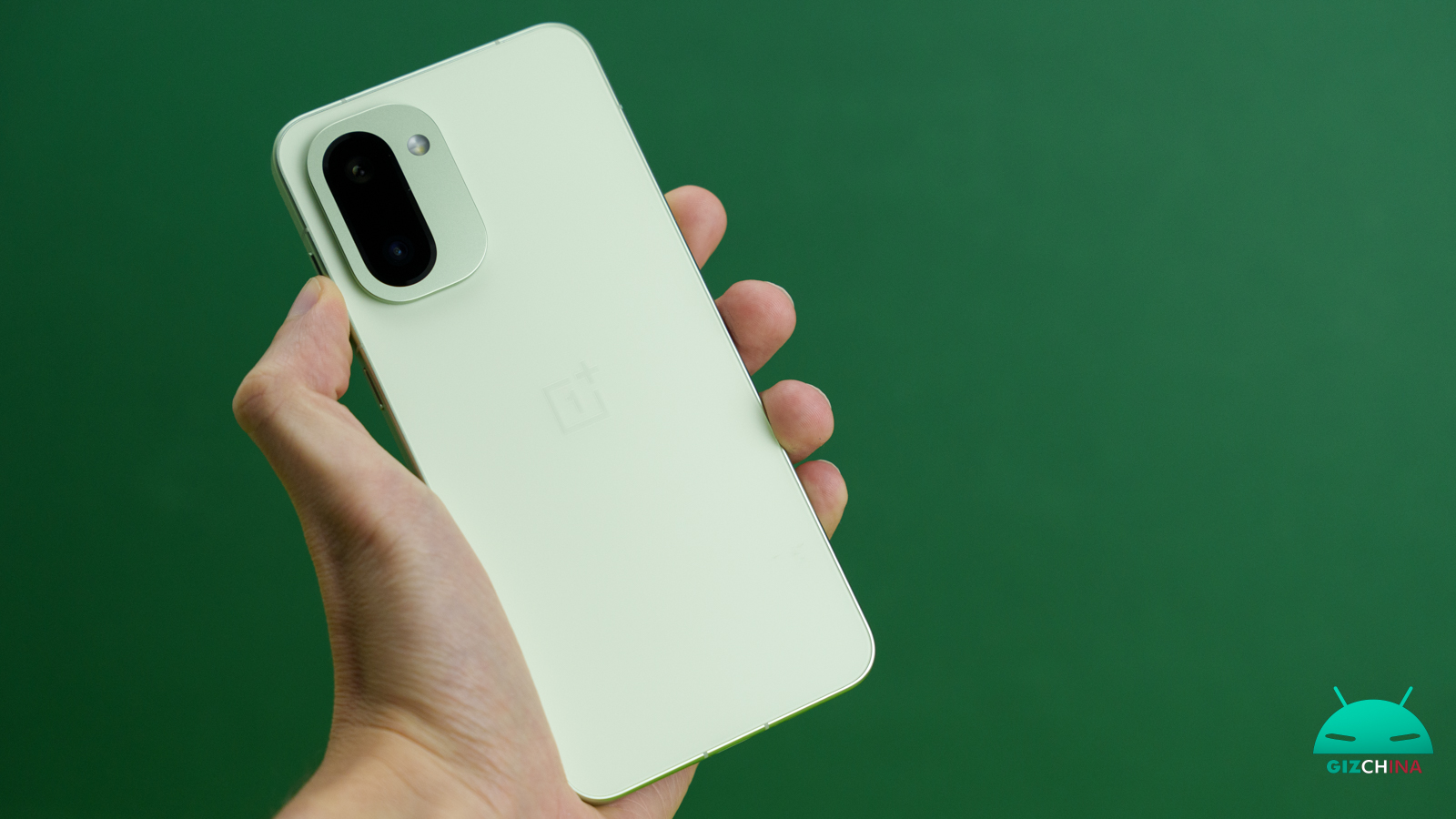
Following the market debut of OnePlus 15 and OnePlus 15R, enthusiasts’ attention is turning with growing intensity toward the next milestone of the company’s strategy: the OnePlus 15T.
The latest rumors, coming from the prolific Chinese source Digital Chat Station, suggest a shift in pace compared to traditional timelines.
OnePlus 15T set for an earlier debut

If we look at recent history, the OnePlus 13T debuted in April 2025. However, according to the newly leaked information, the successor seems destined to speed up the pace.
The current timeline would see the OnePlus 15T launch scheduled between mid and late March, effectively bringing forward the launch window compared to the previous generation.
Under the hood, the device does not seem to want to accept compromises. The heart of the new handset will, most likely, be the Snapdragon 8 Elite Gen 5.
Unlike some past strategies where “T” variants sometimes received underpowered chipsets, this time the company seems determined to offer the maximum power available, paired with generous memory configurations that could reach 16 GB of RAM and up to 1 TB of storage.
The visual experience will be entrusted to a flat OLED panel of 6.31 inches, confirming the device’s focus on the compact yet powerful smartphone segment. The expected resolution is 1.5K, but the real quality leap lies in the refresh rate: a 165 Hz refresh rate, a significant increase over the 120 Hz of the 2025 model.
All of it will be housed in a body with a central metal frame, which will provide solidity and a premium feel to the touch, finally abandoning hybrid or plastic solutions.
The revolution will be in battery life
The rumors are partly conflicting on the exact numbers, but agree on the substance: OnePlus is preparing something exceptional. While some sources cite a battery capacity of 7,000 mAh, other leaks push the bar to 7,500 mAh.
Regardless of the final figure, these are values that would make the competition pale, especially considering the phone’s compact size. This engineering feat would be made possible by the use of new silicon-carbon technologies, which enable higher energy density in reduced volumes.
Of course, IP68 certification for water and dust resistance and support for wireless charging will not be missing, possibly compatible with magnetic “snap-on” cases.
If performance and endurance are the high bar, the camera department could be the most conservative element of the project.
No drastic changes are expected compared to the past: the setup should remain similar to the previous generation, probably focusing on a dual-camera system that could exclude the ultra-wide angle in favor of a telephoto with a 50-megapixel sensor.
A choice that confirms the device’s target is users seeking performance and endurance, rather than the purist photographer.
The distribution remains the question. While the launch in China seems almost certain for March, the device’s international fate is still to be written. European users hope that the company decides to import this concentration of technology, which would face fierce rivals such as Xiaomi 17 Pro and future proposals from OPPO and vivo.