


The evolution of Apple‘s smartphones never stops, and although public attention is often captured by the most evident aesthetic changes, the real revolutions often occur beneath the shell. Or, in this specific case, beneath the glass.
According to a recent report from Asian supply chains and published by the specialized outlet ETNews, the Cupertino giant is planning a significant technological leap for the upcoming iPhone 18 Pro and 18 Pro Max.
The main novelty will lie in the adoption of new generation OLED panels, named LTPO+.
The new iPhone 18 Pro display will change not only in appearance

The heart of the rumor concerns the implementation of the LTPO+ technology. If until now we have appreciated the smoothness of ProMotion and the intelligent management of the refresh rate, the new panels promise to elevate the user experience to a higher level.
In addition to delivering an even more optimized energy consumption, a crucial factor for the autonomy of modern smartphones that are increasingly demanding in terms of resources, this technology opens the door to structural changes of great significance.
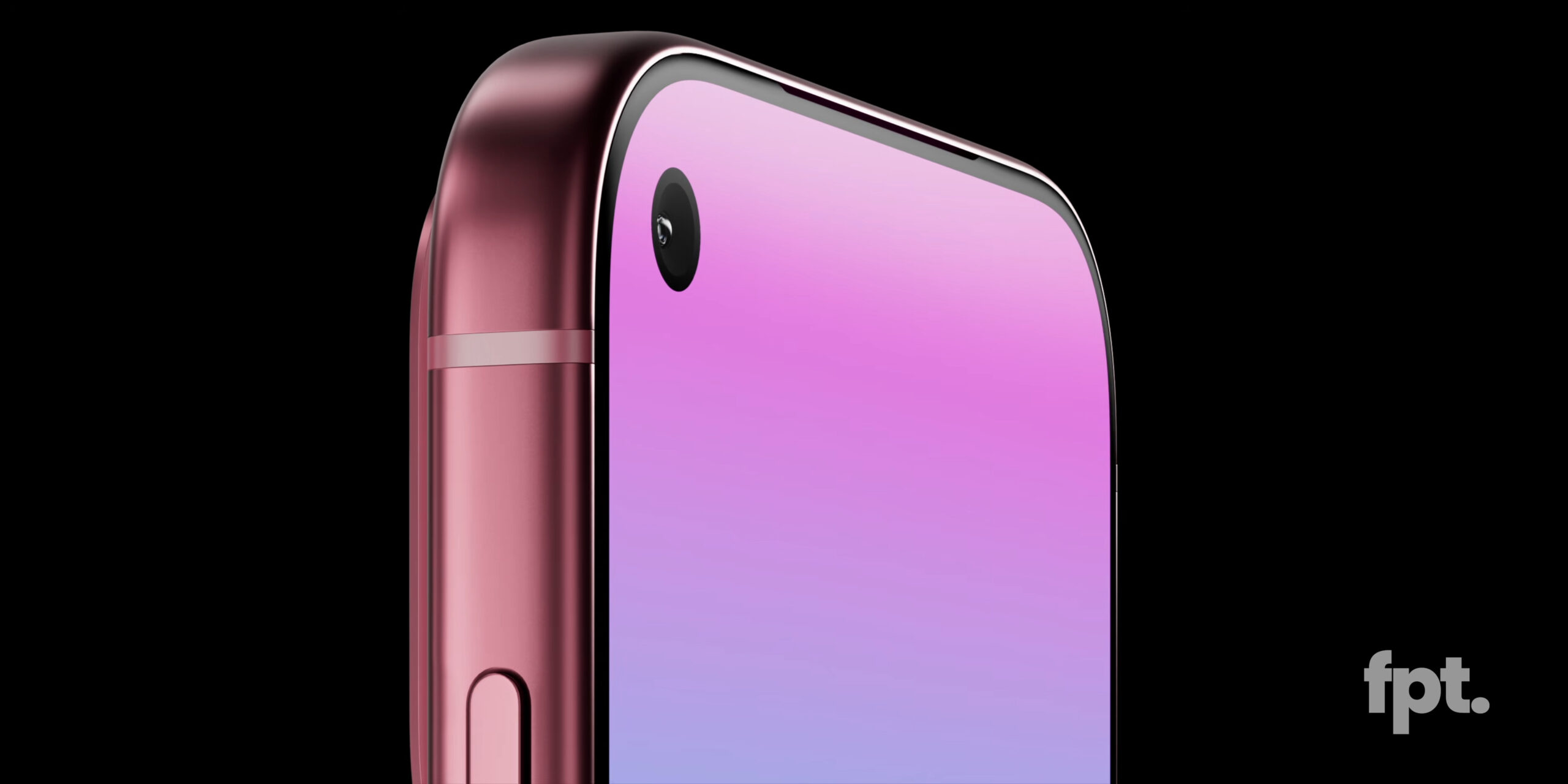
The most fascinating aspect of this evolution concerns the handling of biometrics and photography on the front. The nature of LTPO+ displays would indeed allow Apple to hide the infrared scanner, a fundamental component for the operation of Face ID, directly beneath the display.
The implications for the production supply chain
As is often the case in the tech world, a technical advance of such magnitude entails significant upheavals in the industrial balance of suppliers.
The production complexity of the new LTPO+ displays is indeed redrawing Apple’s partner map. According to what has emerged, this technological shift could exclude from the game for high-end models the Chinese manufacturer BOE
The technical specifications required to produce these advanced panels are so high that, at the moment, only the South Korean giants LG Display and Samsung Display seem to possess the know-how and the infrastructures needed to guarantee the volumes and the quality Cupertino demands.
Consequently, BOE could see its role scaled back, limited to the supply of displays for the standard models of the iPhone lineup, which presumably will continue to adopt less extreme technologies for some time.
A look at the future of Apple’s ecosystem
Innovation, however, does not seem destined to remain confined to the world of mobile. The ETNews report also looks at the future of the computer line, suggesting that LTPO+ technology will debut on next-generation MacBook Pro, specifically those equipped with the future M6 chip.
This technological convergence between iPhone and Mac testifies to Apple’s aim to unify the visual experience across its entire ecosystem.
Bringing such sophisticated displays to laptops would not only improve color rendering and energy efficiency of professional machines, but could herald the introduction of advanced biometric features such as Face ID on laptops as well, while at the same time eliminating the need for a notch on these devices as well.