


It might seem like the premise of a Black Mirror episode or a tasteless joke, yet it is the reality that is climbing the App Store charts.
A new paid application, with a name that leaves little room for imagination, is recording unprecedented success among iPhone owners, particularly among those who live alone.
Its name is literally, “Are You Dead?” (Are you dead?), and its main function is as simple as it is macabre: to ensure that the user is still alive and, if not, to alert someone.
“Are you dead?” is a cultural phenomenon born from loneliness

The application, known in China by its original name that sounds like “Si-le-ma“, has surged into the headlines after becoming the most downloaded paid app in the Asian country.
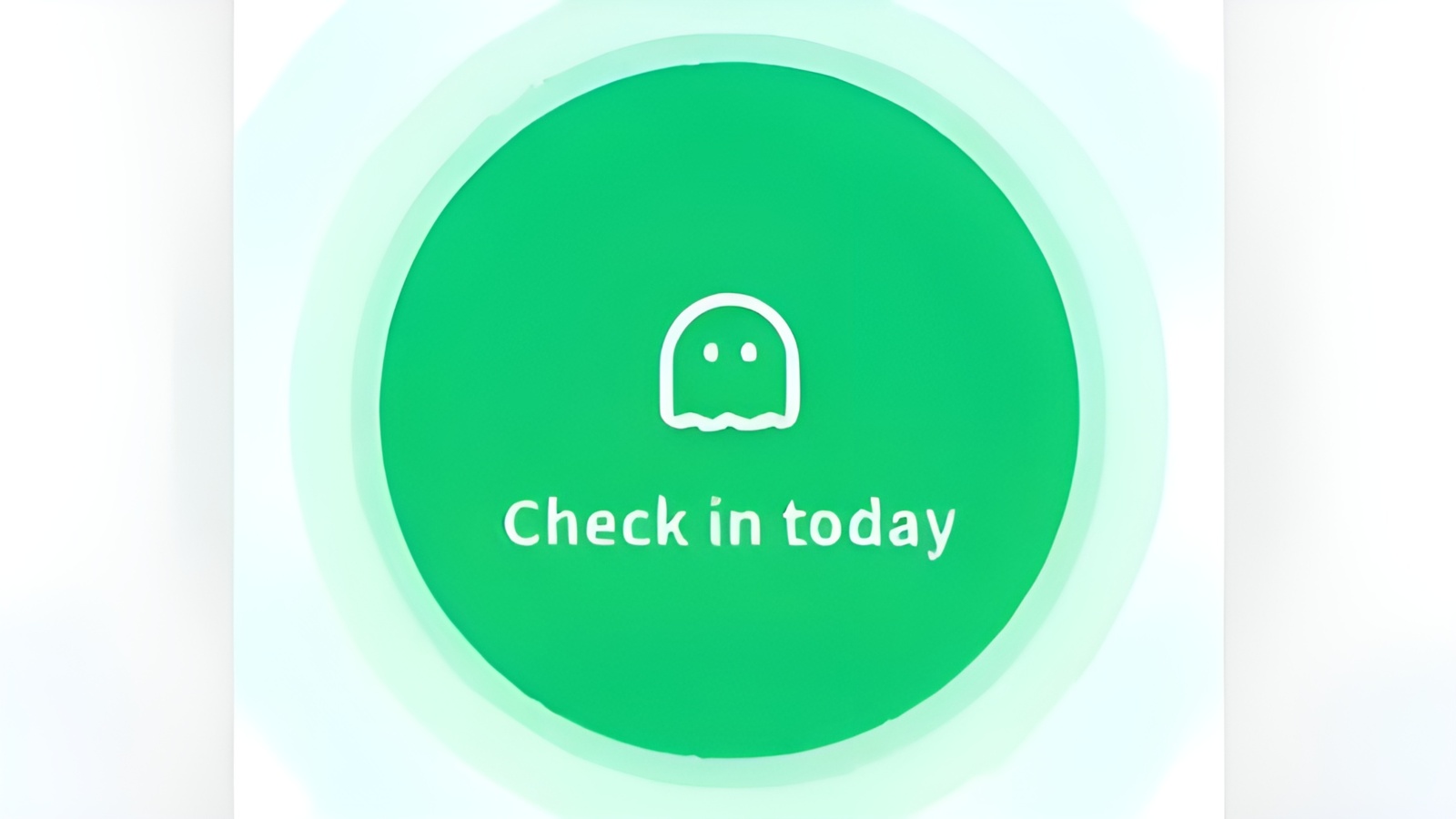
The concept behind the software is brutally pragmatic: the user must perform a digital “check-in” by pressing a large green button every two days.
If this action is not performed within the established time window, the app assumes the worst and sends an automatic alert message to a pre-set emergency contact, signaling that the user could be in trouble.
Launched initially last May with little fanfare, the app has seen an explosion of popularity in recent weeks, becoming viral among young professionals living alone in Chinese metropolises.
According to the BBC, the Chinese name of the app is a wordplay on a popular food-delivery app called “Are You Hungry?” (E-le-ma), turning a daily question into an existential inquiry.
This success is not random, but reflects a worrying demographic trend: it is estimated that by 2030 in China there will be about 200 million single-person households. The fear of dying alone and of not being found for days has transformed this digital tool into a perceived necessity for millions of people.
International success with “Demumu”
The virality of “Are You Dead?” did not stop at Chinese borders. The application is available for global download where it appears on the App Store under the name Demumu.
Currently, it has reached the sixth place in the list of most downloaded paid apps in the USA, with a price of 0.99 euro in Italy. Its minimalist interface, free from complex health tracking or biometric sensors, exploits the primal fear of isolation.
There are no extra features: only that digital button that asks, with unsettling regularity, whether you are still part of this world.
It is interesting to note that the Apple ecosystem, while offering advanced features like “All good” (Check In) within iMessage, does not offer a native function that operates exactly in this recurring and automatic way, leaving room for third-party developers to capitalize on this specific modern anxiety.
Why is this app on Android almost superfluous?
While iPhone users rush to download Demumu to quell their anxieties, Android users already have similar tools, and often more integrated, without spending a dime or installing software with such grim names. The Google ecosystem, in fact, natively offers the app “Personal Safety“, which includes a feature named “Safety Check“.
Although the name chosen by Google is decidedly less anxiety-inducing, the operation is similar and in some ways superior. Safety Check allows the user to set a timer to confirm their safety.
If the timer expires without a response, the phone does not just send a generic message, but automatically shares real-time location with emergency contacts and can even call for help.
The substantive difference lies in the mode of use: while the app “Are You Dead?” requires a cyclic, perpetual check-in that does not need reactivation, Google’s tool is designed for specific situations, such as returning home at night or going on a solo hike, requiring manual activation each time.
However, the Android Play Store has long been populated with established alternatives such as Life360 or Snug Safety, which offer ongoing monitoring.
The real news, then, is not so much the invention of a new technology, but the way “Are You Dead?” has managed to package an existing safety feature, selling it through an explicit and direct narrative that has struck a sore nerve of modern society.
While Android leans on “security”, this new app leans on “mortality”, and it seems that, paradoxically, it is precisely this approach that makes it a best-seller.